 L’anno civile chiude le proprie porte con un periodo in cui l’atmosfera diventa magica e, nonostante il freddo, sembra tutto più caldo: il Natale. Come ogni evento ricorrente anche il Natale ha le proprie tradizioni: in ogni casa, infatti, la famiglia si riunisce per addobbare l’albero; gli innamorati si baciano sotto il vischio; nella notte tra il 24 e 25 dicembre i bambini aspettano l’arrivo di Babbo Natale e durante il pranzo avviene il consueto scambio dei doni. Quali sono, però, le origini di tali tradizioni?
Attraverso un viaggio nel passato è possibile risalire al fulcro della magia del Natale. Girando le lancette dell’orologio a ritroso si può scoprire l’origine di una pianta cespugliosa, il vischio. Il vischio era considerato dai Druidi, i sacerdoti celti, quasi divino poiché cresceva in alto rispetto alla terra e quindi vicino agli dei. Si pensava che la pianta avesse effetti magici e curativi. Ad oggi è utilizzata principalmente per scopi decorativi, in particolare nel periodo natalizio. Ma il vischio è conosciuto soprattutto per il consueto bacio; ma perché qualcuno dovrebbe baciarsi sotto ad una pianta? L’origine è da attribuirsi ad un mito germanico. Si narra che Odino, re degli dei, avesse molti figli tra cui Loki e Baldr. Loki era da sempre geloso della bellezza e del fascino di Baldr, quindi la madre, la dea Freya, fece promettere a tutte le piante e a tutti i materiali la propria fedeltà, dimenticandosi però del vischio. Loki costruì così un’arma fatta del legno della pianta dimenticata e uccise il fratello. La leggenda ha però un lieto fine, si racconta che la dea Freya pianse sul corpo del figlio, le sue lacrime divennero le bacche rosse della pianta e il figlio Baldr si risvegliò. Da allora Freya ringrazia tutti dando un bacio sotto alla pianta. Il Cristianesimo riprese il simbolo del vischio ed è per questo che viene considerato ancora come il simbolo dell’amore e della fortuna. n Italia e in tutto il mondo occidentale, è tradizione diffusa addobbare l’albero di Natale all’inizio di dicembre.
Anche l’abitudine di decorare un albero nasce dalla cultura pagana, in particolare i Celti erano soliti decorare un albero con la frutta durante il solstizio d’inverno per un buon auspicio per la Primavera. Si sa che anche i cristiani, durante il Medioevo, erano soliti utilizzare un albero in onore dell’Albero della vita. L’albero che conosciamo noi oggi è nato nel Nord Europa ed in particolare il primo albero di Natale venne innalzato nella piazza di Tallinn, in Estonia, nel 1441. Inizialmente l’uso era presente soprattutto nei Paesi protestanti; solamente all’inizio del XX secolo si diffuse in tutta Europa, anche nei paesi tradizionalmente Cattolici, quali l’Italia e la Spagna.
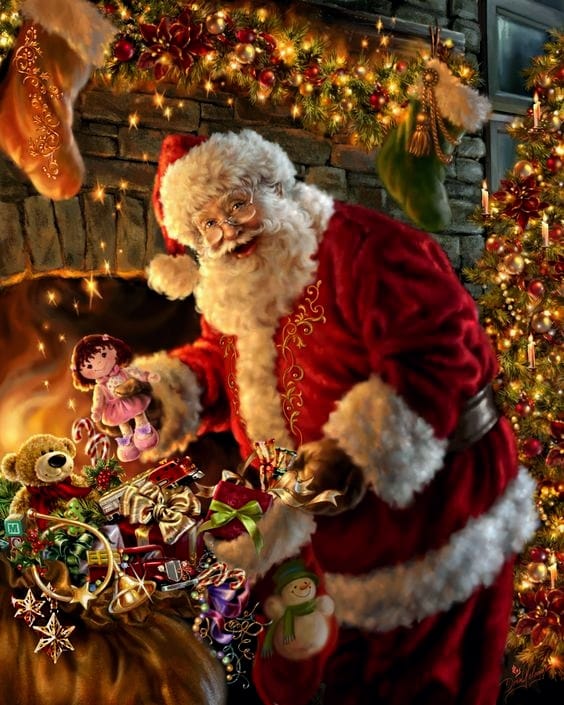
La notte del 24 Dicembre i bambini vanno a dormire aspettando l’arrivo di Babbo Natale, l’uomo rosso e anziano che porta i doni ai più piccini. La figura “dell’uomo che porta i doni” è più antica di quanto si pensi. Le prime tracce si individuano nell’antica Grecia: il portatore di doni era in questo caso il mitologico Poseidon, dio del mare. Anche il dio Odino del Nord Europa era incaricato di portare i doni ai bambini. Con l’avvento del Cristianesimo, San Nicola, protettore dei bambini, divenne colui che porta gioia e regali ai più piccini. Il passaggio da San Nicola al famoso Babbo Natale è stato molto lento. La figura del Babbo Natale che conosciamo oggi è nato anche grazie alla Coca-Cola. Anzi, pare che proprio la pubblicità del famoso marchio abbia contribuito a costruire l’immagine del moderno Babbo Natale; prima infatti era raffigurato in tanti modi diversi, ad esempio come un elfo crudele o come “lo spirito del Natale”.
Terminato il viaggio alle radici delle tradizioni natalizie, passiamo ora a considerare le tradizioni natalizie in ambiente europeo. Pronti a partire?
INGHILTERRA. Il Natale a Londra dal punto di vista decorativo è simile a quello italiano. Alcune settimane prima vengono decorati negozi, case, strade e piazze e l’aria natalizia subito si fa sentire.
La vigilia di Natale e il pranzo di Natale. La vigilia è molto sentita in Inghilterra, soprattutto dai bambini, che dopo la Messa di Mezzanotte tornano a casa e appendono le calze al camino, che di solito viene lasciato acceso in segno di buon auspicio, e sull’albero. Per ringraziare “Father Christmas” e “Rudolph” la renna, vengono lasciati sul tavolo dei biscotti con il latte e una carota. Nella mattinata di Natale, ci si dedica all’apertura dei regali e poi si pranza. Il piatto forte è ovviamente il “roast turkey”, ossia il tacchino ripieno che viene accompagnato da una deliziosa salsa ai mirtilli. Altri piatti tipici sono i timballi di salmone, lo spezzatino alla birra e il cosciotto di agnello. Il dolce tradizionale è la Christmas Cake. Altra tradizione è il Christmas Cracker, un tubo di carta a forma di caramella con un piccolo gadget all’interno. Concluso il pranzo al 15:00 c’è il discorso della Regina seguito da un film di James Bond che quasi nessuno riesce a guardare fino al termine: generamente si addormentano tutti! Da qui nasce il detto “Falling Asleep in front of the Bond Film”. Ovviamente verso le 18:00 non può mancare il tè, accompagnato da dolci come i mince pies o addirittura da qualcosa di salato a base di sausages.
Santo Stefano. Il 26 dicembre è il Boxing Day, chiamato così perché i datori di lavoro consegnavano i regali ai loro dipendenti. Questa tradizione è stata abbandonata e ora nel giorno di Santo Stefano ci si dedica allo shopping natalizio.
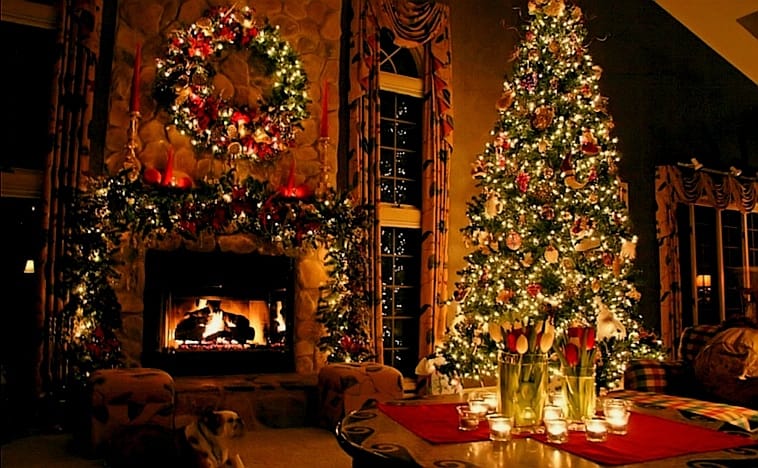
L’albero di Natale. L’albero di Natale nasce in Inghilterra all’incirca nel XIX secolo da un principe germanico, Alberto di Sassonia. Infatti l’albero è un elemento centrale della cultura tedesca (il Tannenbaum), simbolo di rinascita. Se avete voglia di respirare aria natalizia e di osservare alberi enormi, dovete visitare Trafalgar Square, Covent Garden e la Chiesa di St.Paul.
 FRANCIA. Il Natale in Francia è la festa più importante dopo la festa di San Martino, un santo venerato fin dal IV secolo. Come in Inghilterra le strade, le case e i negozi si riempiono di decorazioni.
Il 24, il 25 e il 26 dicembre. Conclusa la cena della Vigilia, la tavola viene lasciata apparecchiata in previsione della venuta della Vergine Maria. Dopo la messa di Mezzanotte i bambini, prima di dormire, mettono sul camino scarpe o zoccoli per ringraziare Bambin Gesù o Babbo Natale. La mattina del 25 i bambini aprono i regali mentre gli adulti si scambiano i doni a Capodanno. Santo Stefano invece è semplicemente un giorno festivo senza particolari tradizioni. Il 25 dicembre, a mezzogiorno, si siedono tutti a tavola e si inizia con abbondanti ostriche, lumache, salmone affumicato. A seguire, pollo e prosciutto cotto; in Alsazia è tipico preparare l’oca, mentre in Borgogna il piatto principale è il tacchino con una crema e castagne. Il pasto ovviamente è accompagnato dallo Champagne abbinato a fragole, formaggi ed insalata. Piatto unico, le torte salate con riso, verdure, patate o cipolle. Il vero protagonista, però, è il dolce, con 13 tipi di dessert che richiamano Gesù e i 12 apostoli. Il tronchetto natalizio è impiegato come centro tavola, con la torta dei re o il Kougelhopf a base di mandorle e frutta secca. Infine un posto speciale è occupato dalla meringa.
L’albero di Natale. Per l’albero di Natale in Francia dobbiamo recarci alla Galeries Lafayette Paris Haussmann, dove ogni anno l’albero è addobbato in modo diverso, secondo un tema differente. Quest’anno il tema è “Le Voyage De Noel”, il viaggio che affronterà Celeste, in rotta verso rotte immaginarie. Alla fine dei rami ci sono tutti i doni e ogni 30 minuti le luci della cupola vengono spente per dare spazio alle animazioni sonore e luminose. Altra tradizione francese che viene sentita moltissimo è il Presepe, che deve SEMPRE esserci.
SPAGNA. Anche in Spagna il Natale è la festa più importante, tant’è vero che le feste si protraggono dal 22 dicembre al 6 gennaio. Inizia tutto proprio con la “Loteria De Navidad”, evento che immette tutto nell’atmosfera natalizia.
Il 24, il 25 e il 26 dicembre. Nella serata della vigilia di Natale, chiamata anche “Noche Buena”, si celebra la cena più importante. Di solito si va a casa dei nonni e non dei figli e si mangiano prodotti tipici del luogo. Ovviamente non mancano la “paella” e l’agnello talvolta accompagnato da zuppe di legumi. Per quanto riguarda il pesce, si mangiano prettamente molluschi come i Percebes o il Besugo al forno; si aggiunge anche la zuppa di ceci, per non farci mancare nulla, con verdure, patate, carne di vitello, di pollo e derivati dal maiale. Per quanto riguarda i dolci c’è il Roscon de Reyes, una grande brioche a forma di ciambella oppure i Mantecados, a base di strutto, zucchero e farina. La loro consistenza è talmente leggera che si sciolgono in bocca. Non possono mancare infine il torrone e il gelato natalizio a base di pistacchio. Durante la notte, si cantano o si raccontano testi su Gesù o Betlemme o a carattere personale, che esprimono sia stati d’animo felici che non felici. A Natale gli Spagnoli mangiano arrosto, gamberi e granchi, astici, baccalà e cavolfiore, accompagnati dai vini più pregiati come il Ribeiro e l’Albarino. Come secondo, c’è il pollo arrosto, il capretto al sidro e il maialino arrosto, con cavolo, scarola, granata. I dolci sono quelli che vengono preparati per la vigilia. Santo Stefano, come in Francia è un giorno semplicemente festivo.
Curiosità particolari in pillole. In Spagna nel presepe oltre alle note figure già presenti si aggiunge una statuina del folklore catalano chiamato “caganer”. I regali non li porta Babbo Natale, ma sono i Re Magi. Questo significa che i bambini ricevono i regali dopo 12 giorni, anche se questa usanza sta cambiando e quindi i bimbi ricevono i doni sia il 25 dicembre che il 6 gennaio. Il pesce d’aprile in Spagna è in realtà il pesce di dicembre, precisamente il 28 dicembre è il “Dia de Los Santos Inocentes”. Il Babbo Natale basco è diverso dai Babbo Natale che siamo abituati a vedere. Il suo nome è Olentzero ed è un gigante vestito con abiti da contadino e una pipa in bocca, e nella notte del 24 dicembre viaggia lungo la “Gran Via” a Bilbao.
Erik Pasquale Langella, Lorenzo Scassillo, IV A musicale

 The Oscar is the oldest and most prestigious film award in the world.