Tag: Europa

  • Brexit: what will change now?

    Brexit: what will change now?

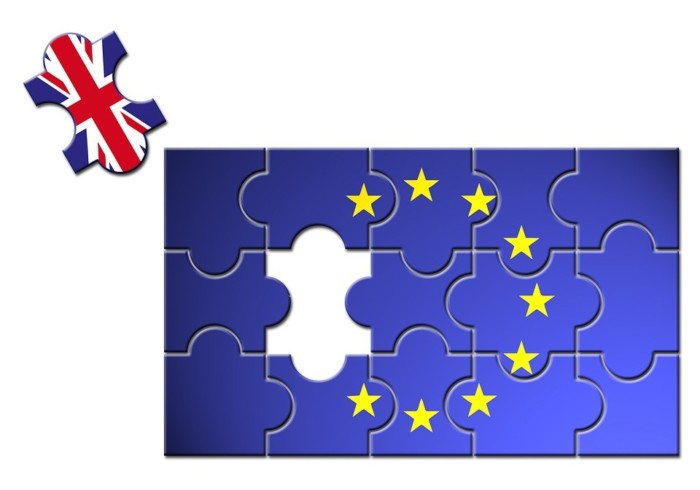
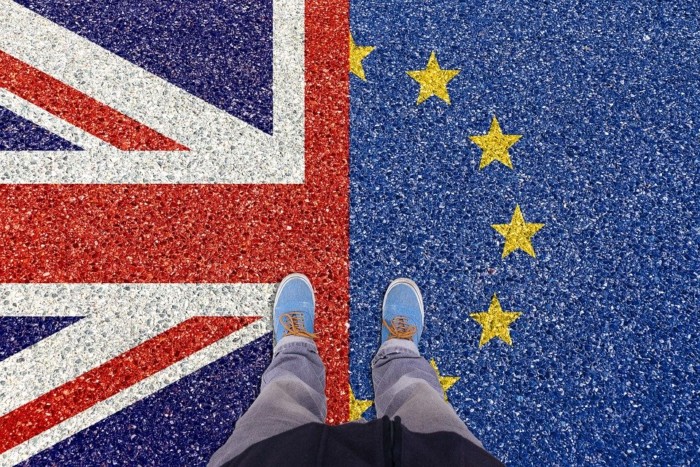
    It all started in 2013, Prime Minister David Cameron promised a national referendum on European Union membership with the idea of settling the question once and for all. The options were: Remain or Leave, and Mr. Cameron was convinced that Remain would win without impact.

    That turned out to be a serious miscalculation.

    As Britons went to the polls on June 23, 2016, a refugee crisis had made migration a subject of political rage across Europe that was widely used to make propaganda by the Conservative party in the UK.

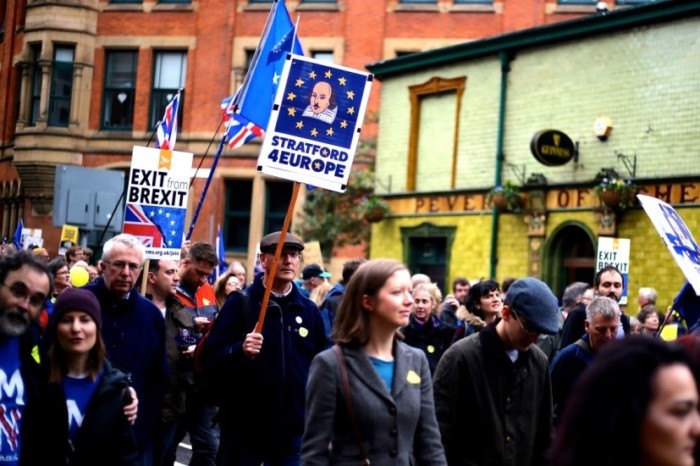
    Most voters in England and Wales supported Brexit, particularly in rural areas and smaller cities. That overcame majority support for remaining in the European Union among voters in London, Scotland and Northern Ireland. Young people overwhelmingly voted against leaving, while older voters supported it. This is because the elders didn’t know the disaster which they voted for instead of the young people who knew the problems that the Brexit will lead.

    But how this happened? Leaves won for a single reason: the UK’s elders citizen ignore what EU is and what open borders are. The EU apply strict laws for breeding and agriculture, those laws brought a lot of problems for small farmers, that are most of the UK population. The solution was obvious: leave the EU. Without EU means no strict laws, it sounds easy, no?  Well no, without EU’s contribution now who will give the fund for agriculture? And most important, if UK’s government blocks all the importation from the EU, as a result all the UK’s exports will be blocked by the EU, and where these products will be sold? Nowhere. It’s like a dog biting its tail.

    Furthermore, London if laws change, will lost all of its power in terms of economics and all the international society headquarters will be transferred to other cities like Paris or Milan.


    Three years have passed since Brexit, the so-called referendum which led the United Kingdom out of European Union. At 24:00 of 31 January 2020 the UK is official out of the UE and the questions now is: what’s changed and what will change?

    The most important change is in the European’s economy and in the European stability. Those changing are due to the void created by the UK in the EU’s balance: UK left a void of about 13 billion Euro, now this void should be filled by other Countries, this mean that every European State should contribute with enough money to fill this void. Also, the total EU’s GDP (Gross domestic product) has shrunk significantly, in fact the UK was one of the European economies’ work horse. Besides, the same UK, if closed economy and customs come back in England how it was in 1950 will supposedly lost about 20/25% of its total export.
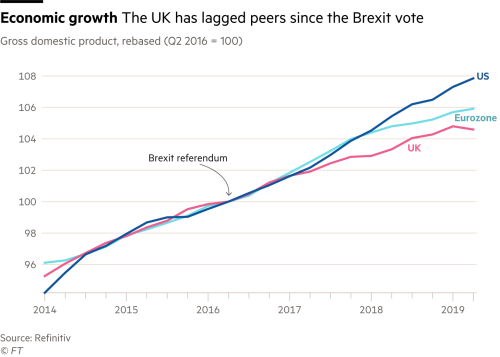
    Economy isn’t Brexit’s worst part.

    The EU could have led “a lot of immigrations problems” as said UK’s Prime Minister Boris Johnson, but it’s thanks to EU that nowadays we have open borders and we can travel in every state member only with our ID Card and without visa.

    If things change, and they will; travelling, working, studying and other thinks in the UK will become a nightmare.

    What you’ll need to enter the UK

    Until  January you could take a plane, land in Heathrow and only because you’re an EU citizen you didn’t have to pass customs because is like you have never left your state. You just need you ID.

    What you’ll need to enter the UK will not change until at least 2021.

    EU citizens can continue to travel to the UK for holidays or short-term trips, without needing a visa but they’ll need to show a valid passport.

    UK’s Premier as already said that they are working to create a copy of the United States’ ESTA (Electronic System for Travel Authorization), this mean that if you want to go to UK you need a visa from the English Foreign Office. Fortunately, EU and UK are still arguing on how set new laws for this Brexit.
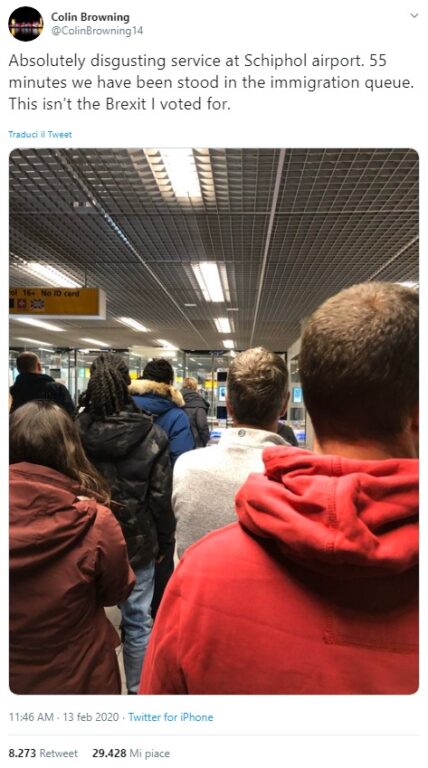
    In the last days has already been a case of chaos at Schiphol: the airport of Amsterdam. An English passenger who used to fly usually between UK and Amsterdam complained about the queue for the visa controls via Twitter. Schiphol’s official account replied stating that the queue was only for “new staff members trained yesterdays”.

    What will UK visitors need to enter EU countries?

    Visitors from countries with visa-free agreements with the EU (including the UK) will not be able to enter the Schengen Area with only their passports. The EU Commission has confirmed that UK citizens will need to pay a fee to visit Europe and will need to complete the online ETIAS (European Travel Information and Authorization System) form.

    New Immigration policy

    Just today, the UK announced that they will follow the Austalian method, is well know that Australia is a closed country and if you want to work there you need a specified visa and the European ID cards will not be accepted anymore. Those new immigration policies will became effective from the  January 2021.

    Priti Patel, UK’s foreign minister, said that its State will give the highest priority to most qualified peoples, like scientists and top talented students at one condition: they should speak and write in English without problems. And most important, they will eliminate “a immigration system distorted by European freedom of movement”, as Johnson said.

    Probably the most important measure refers to job’s visa, from this date if you’re looking for a job in the UK: look away. Because from this date you must already have a job in the UK with a salary at least of 30,000 € per year to be admitted to work. They also specified that EU’s citizen will be managed as all others immigrants who are searching a new job in England.
  • Fridays For Future

    Fridays For Future

    Sapete tutti perché è stato creato il “Venerdì per il futuro”? Ecco come si è arrivati alla sua creazione.


    Fridays For Future or FFF, is a series of worldwide protests for the climate change. Thousands of students invaded cities like London, Rome, Berlin, Paris and other less important cities. The protest’s goal is to improve the law for stop the climatic changes.

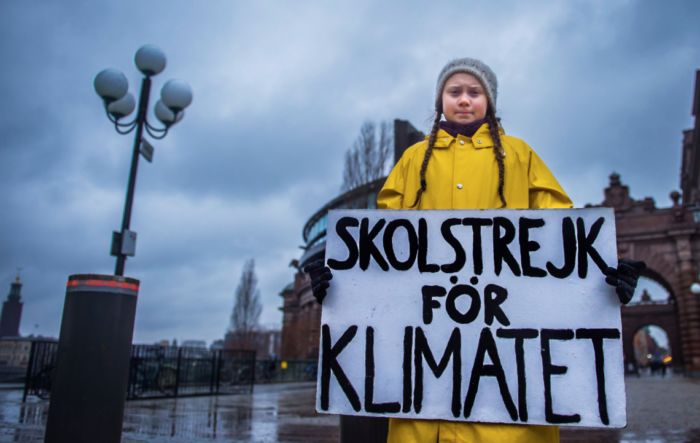
    Those protests started from a little shy Swedish girl: Greta Thunberg.

    When Greta Thunberg sat before her country’s Parliament in August, she was a solitary protester, armed with fliers that said she was refusing to attend school to protest adults’ lack of concern for her future.

    She sought to draw attention to the perilous state of the climate.  Data from NASA has shown the past five years to be the warmest on record, and a report last year by the United Nations Intergovernmental Panel on Climate Change, warned that, without aggressive action, the world will face worsening wildfires, food shortages and other catastrophic effects as early as 2040.

    She started only with a sign and now she become a leader, she spoke at ONU for the climate changes problem and launched the hashtags #climatestrike and #FridayForFuture.

    Some school head teacher and politicians have criticized the protests, calling them “A naive loss of class time”.

    Ms. Thunberg has responded sharply that “political leaders have wasted 30 yrs (years) of inaction. And that is slightly worse”.

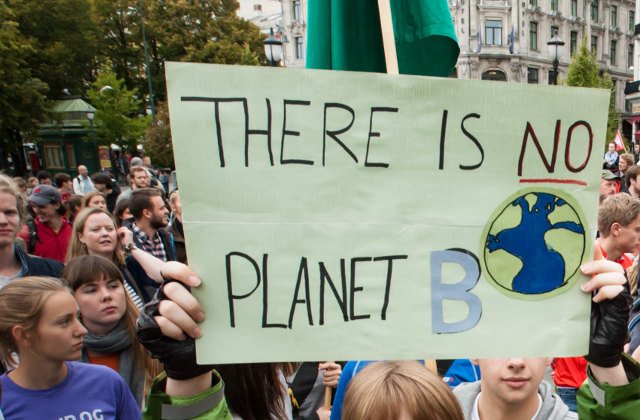
    The Greta’s purpose is to reduce the smog emission in the air and to reduce the plastic waste. All over the world was launched the sign: There’s no Plan(et) B, this sign means we haven’t time to loose, we have to act right now for build a future. Countries in the middle of their industrial revolution like China and India are release more smog than the entire EU. Although all those alarms the world’s leaders going on  destroying  our planet.

    I’m so  excited to see all those students like me around the world fighting against  politicians  doing  nothing for a  seriuous problem like this one, because with their lies they’re destroying my future, our future, the future of everybody and of the planet ;  so I also say yes and I’m with you and I’m part of you, we have to do something right now like Greta because our planet is on the brink. We’re everybody near a collision course, we will meet in a planet where a bottle of water will be more expensive than a barrel of oil.

    We have to change this course, we can’t live in a planet where money is the most important interest , we can’t do that anymore, I don’t want to do that anymore.

  • What you have to know about BREXIT.

    What you have to know about BREXIT.

    Come tutti sappiamo il 23 giugno 2016 c’è stato un referendum nel Regno Unito, per decidere se esso doveva lasciare o restare nell’Unione Europea. Il 51,9% degli inglesi ha deciso di distaccarsi dall’ Unione Europea.Cosa cambierà? Avrà delle influenti conseguenze sulla carriera dei giovani? Sarà più complicato per noi viaggiare verso l’Inghilterra?

    On 23 June 2016 a referendum was held to decide whether the UK should remain in the European Union or leave it. More than 30 million people voted and Leave won by 51.9% to 48.1%.

    A new word was created – Brexit –, which is a short way of saying, “the UK leaving the EU” by mixing the words Britain and Exit. But what does Brexit actually mean and how will it affect us all?

    The European Union is a club of 28 European Countries. Each of these countries pays to be a member and in return, they get access to special ways of working together. This includes being part of a “single market”, which means that countries can trade with one another and people can move around freely – as if we were all living together in one big country.

    The EU has its own parliament, laws and currency (the euro – although the UK does not use this as we stuck to our own pounds and pence). The EU was set up after World War 2 with the idea that if countries work together, they are unlikely to go to war again.

    The 48 per cent who voted to remain in the EU, including former Prime Minister David Cameron, felt that being a member of a 28-nation club is better than going it alone. They felt it was easier for us to sell things to other EU countries, meaning it was good for businesses and trade.

    So why did over half of voters (51.9 %) in the UK want to leave this special club?

    The idea of the single market was to increase trade between countries, creating jobs and lowering prices. However, the European Parliament decides on many rules and standards that EU countries have to follow and critics felt that they were losing control of their own affairs and laws.

    The UK pays billions of pounds in membership fees to the EU every year and some people felt that they weren’t getting much back in return for this.

    Also, many people are moving from poorer countries to richer countries around the world. This has made some people in the UK worry about the free movement rule, which allows people in the EU to move to any other EU country without needing special permission (a visa). This was a key issue for many voters and the Leave campaign won by just 4 per cent.

    Will young people still be able to get jobs in Europe?

    Britain’s membership of the EU means that citizens are able to live and work anywhere within the 28 countries of the EU and they do not need any special visa.

    How will it affect young people wanting to study at universities in Europe?

    Some young Britons have responded by choosing to study at significantly cheaper European universities, particularly in the Netherlands and Germany. More than 15,000 British students also study in Europe as part of the Erasmus scheme.

    After March 2019, students could still study outside the EU but it may be harder to get visas and fees may be more expensive.

    What did Prime Minister Theresa May say to reassure EU citizens?

    Prime Minister Theresa May issued a direct appeal to EU citizens living in the UK to stay in the country after Brexit.EU citizens and their family members living in the UK must apply to the for settled status. Settled status means that you can live in the UK for as long as you want. You will have access to public funds and services and you can apply for British citizenship. Any children born in the UK after you get settled status will automatically be British citizens.

    She agreed that any EU citizen arriving between March 2019 and 2021 will have a right to residency.

    They will get a “lifetime right” to bring in their entire close family, kids, spouse, parents, grandparents – even if they are outside the EU.

    They can also bring in their girlfriend or boyfriend – a “durable partner” if they can prove they have been together for two years.

    Children born in the UK to parents from the EU will automatically become British citizens.

    Irish citizens will not have their rights affected by Brexit and will always be able to live and work in Britain freely.

    Will they need visas to work there?

    EU citizens will still be able to travel to and live in Britain after Brexit under new immigration plans.

    What does this mean for EU citizens living in the UK?

    The report confirms that EU and UK citizens have free movement of rights until the day the UK withdraws from the EU – 29 March 2019. This, in effect, is the cut-off date for EU citizens moving to the UK.

    Anyone who arrives before Brexit day will have the right to stay.

    Those who are yet to be granted permanent residency in the UK will have their rights protected, so they can still acquire it after withdrawal.

    EU citizens in the UK will have equal access to social security, health care, education and employment.

    But they – and UK citizens in the EU – would lose their rights to residency if they are out of the country for five or more years.

    Passport or not after Brexit?

    The UK is still in the EU, but not in the Schengen area, so you will have to show your passport on entry. The fact that you are an EU citizen means that you will not need a visa.

    After 29 March 2019:

    1. You should have at least 6 months left on your passport from your date of arrival. This applies to adult and child passports.
    2. If you renewed a 10 year adult passport before it expired, extra months may be added to your new passport’s expiry date, making it valid for more than 10 years. Any extra months on your passport over 10 years may not count towards the 6 months that should be remaining to travel to most countries in Europe.


  • Sei cortometraggi, sei città: memoria degli attentati di Parigi

    Sei cortometraggi, sei città: memoria degli attentati di Parigi


    A distanza di due anni esatti dagli attentati terroristici del 13 novembre 2015, sei registi raccontano sei momenti di vita di migranti con sei cortometraggi in sei città diverse.


    Questa “web serie” è visibile proprio da lunedì 13 novembre su Repubblica Tv. Partecipa all’iniziativa AMITIE CODE, un progetto di sensibilizzazione sui migranti, sullo sviluppo e sui diritti umani attraverso cooperazioni locali, al quale aderiscono sei stati europei e otto città, tra le quali quelle dove sono stati girati i cortometraggi: Tolosa, Siviglia, Riga, Amburgo, Loures (Lisbona) e Bologna.

    Questi sei cortometraggi, di sei registi differenti, sono stati curati dalla Elephant Film, una casa di produzione indipendente nata a Bologna nel 2004. Durano circa dieci minuti ciascuno, sono tutti ambientati la sera del 13 novembre 2015 e trattano sei diverse tematiche riguardanti l’emancipazione sociale degli immigrati in ogni paese. Sono quelle problematiche che un migrante deve affrontare ogni giorno e che gli attentati inaspriscono solamente: l’accoglienza, soprattutto per i minorenni; le discriminazioni per sesso, razza, colore, linguaggio, religione o orientamento sessuale; la mancanza di un’urbanizzazione inclusiva dei migranti e un insediamento umano che sia partecipativo, integrato e sostenibile. Inoltre è necessario, ci ricordano questi corti, maggiore riguardo alla povertà, al vestiario, alle abitazioni, all’alimentazione e alle cure mediche dei migranti. Altra grave conseguenza agli attentati è stato il forte aumento di islamofobia, xenofobia e razzismo, che hanno ancora più difficili le situazioni dei migranti.

    Questi cortometraggi sono, quindi, finalizzati  a sensibilizzare tutti i cittadini e ad evitare che si faccia “di tutta l’erba un fascio”, come troppo spesso accade nella nostra società, ad eliminare discriminazioni razziali e disuguaglianze e, soprattutto, a comprendere meglio il punto di vista e la vera realtà dei Migranti, di cui molto spesso sentiamo parlare, ma che in realtà non conosciamo veramente.

  • Let’s go! Stage a Londra per la VA linguistico

    Let’s go! Stage a Londra per la VA linguistico

    londra


    «I travel not to go anywhere, but to go. I travel for travel’s sake. The great affair is to move.» E’ col motto di viaggiare per viaggiare che il celebre scrittore Robert Louis Stevenson presentava lo spirito del viaggiatore che, pronto ad imparare cose nuove, si muove senza tener conto della destinazione.

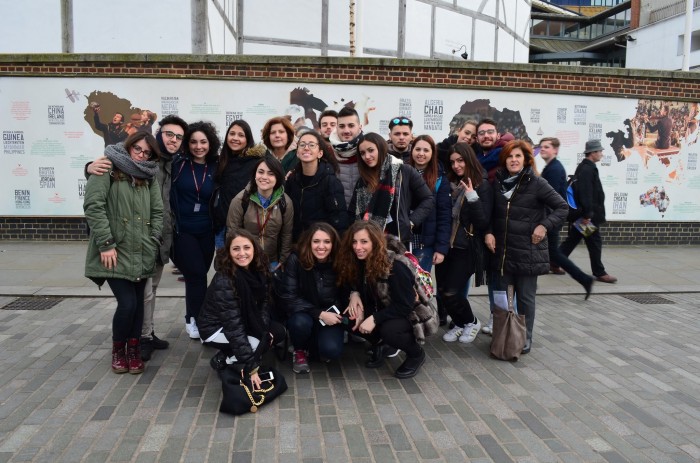
    Quest’anno è stata data l’opportunità a noi ragazzi di 5° A indirizzo linguistico di trascorrere sette giorni in una delle più grandi capitali europee: Londra. Col suo rosso e soprattutto col suo verde, nonostante il clima un po’ avverso, la capitale britannica ha subito conquistato noi ragazzi che abbiamo avuto la possibilità di prendere parte allo stage buttandoci a capofitto in questa nuova esperienza.

    Lo stage è un’esperienza formativa in grado di mettere a contatto diretto i ragazzi e la lingua, infatti, siamo stati noi stessi a scendere in campo e a comunicare, soprattutto grazie alla proposta del dirigente di alloggiare presso famiglie e non, come convenzionalmente avviene, in hotel. Quest’anno è stato scelto il corso CLIL che ci ha permesso di fare lezione e di apprendere la lingua in alcuni dei più grandi musei londinesi, quali: Tate Britain, Victoria and Albert Museum, National Gallery, Tate Modern e Natural History Museum.

    Durante le esaustive lezioni di letteratura inglese e di storia dell’arte abbiamo messo in discussione la nostra preparazione scolastica dimostrando le nostre abilità nell’individuare e spiegare tecniche di opere sia di artisti italiani che stranieri ed esprimendo le emozioni suscitate da queste.

    Dunque, sono stati sette giorni all’insegna della cultura in questa città che in ogni suo angolo mostrava qualcosa di nuovo, infatti come scriveva Samuel Johnson “Quando un uomo è stanco di Londra, è stanco della vita, perché a Londra si trova tutto ciò che la vita può offrire”.

    Anna Cirillo V A Linguistico

  • Il “Pitagora – Croce” on the road: una settimana nel cuore dell’UE

    Il “Pitagora – Croce” on the road: una settimana nel cuore dell’UE

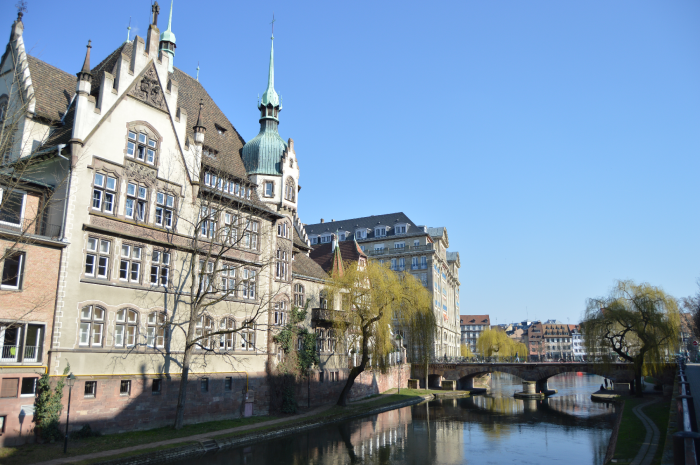
    Scorcio di Strasburgo e del fiume da cui è attraversata, L'Ill.
    Scorcio di Strasburgo e del fiume da cui la città è attraversata, l’Ill.

    In giorni come questi, in cui l’Europa è scossa dai tremendi attentati che l’hanno colpita nel cuore delle sue istituzioni, non è certo facile raccontare la nostra esperienza in luoghi tanto vicini alla capitale belga. Tuttavia, sentiamo come nostro dovere – oltre che fondamentale diritto – portare avanti quei valori di libertà e condivisione in nome dei quali l’UE è nata e che mai potranno esserci sottratti.

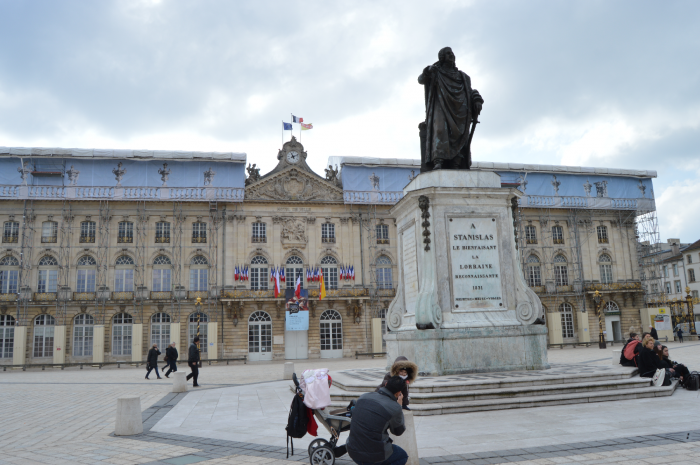
    Place Stanislas a Nancy
    Place Stanislas a Nancy


    Ed è proprio animati dallo spirito europeo che, con altri nove studenti del nostro Istituto e alcuni alunni selezionati dell’ISIS “Da Vinci” di Poggiomarino (NA) e del L.S.  “ Lucrezio Carodi Sarno (SA), lo scorso 14 marzo siamo partiti per Strasburgo, con lo scopo di toccare con mano l’effettiva realtà delle istituzioni europee. Il viaggio, della durata di sette giorni, ci ha condotti alla scoperta dell’Alsazia e della Lorena, regioni della Francia orientale storicamente contese con la Germania. Prima tappa è stata Colmar, pittoresca cittadina a ridosso del massiccio dei Vosgi, celebre per le tipiche case a graticcio, per i rinomati prodotti gastronomici nonché per la Petite Venise, un sistema di canali che ricorda quello del capoluogo veneto. Il giorno successivo è stato dedicato alla visita della Lorena, antico ducato annesso definitivamente alla Francia soltanto al termine del primo conflitto mondiale e per lungo tempo meta delle migrazioni italiane per la presenza di abbondanti giacimenti minerari.

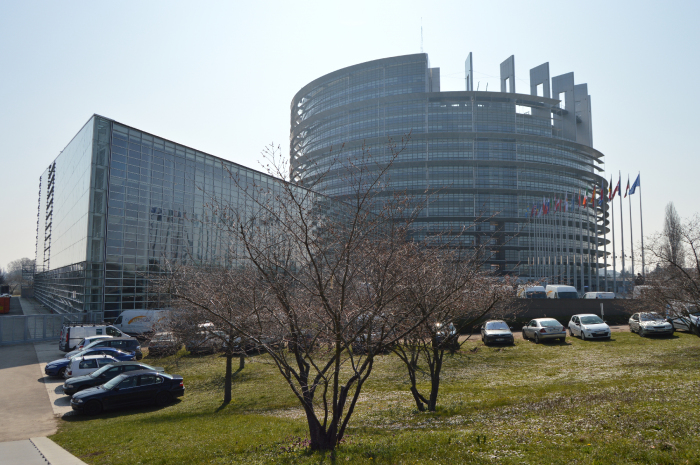
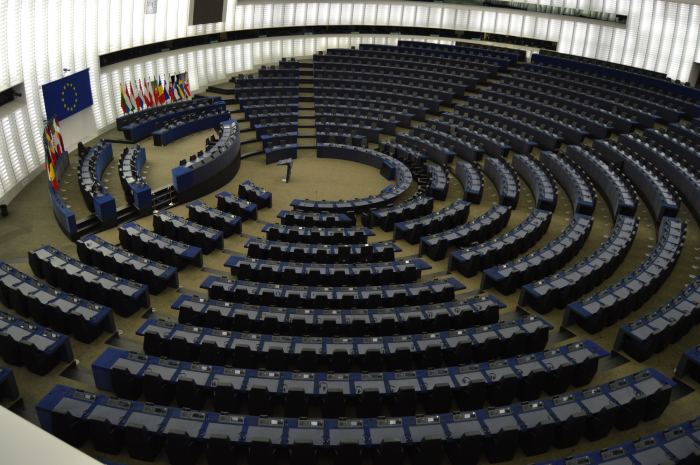
    L'Emiciclo del Parlamento Europeo a Strasburgo
    L’Emiciclo del Parlamento Europeo a Strasburgo

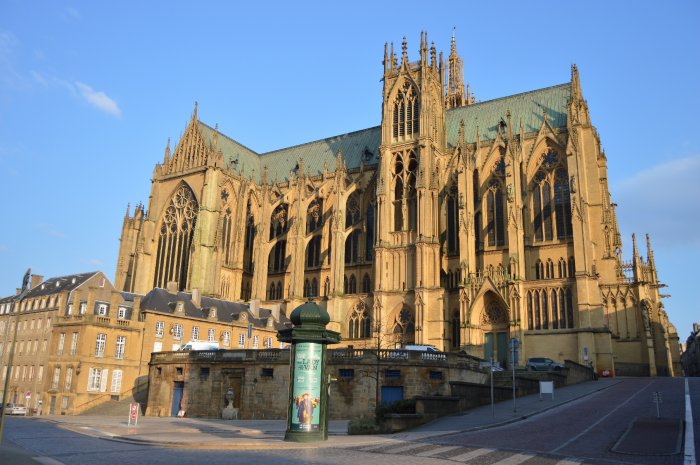
    A colpirci è stata la ricchezza decorativa e l’ordine settecentesco di Place Stanislas, a Nancy, simbolo del peso politico di Stanislao Leszczyński ma anche della sua vicinanza alla cultura francese. Di impatto stendhaliano è stata la visita alla maestosa cattedrale di Metz, antica capitale della Lorena e scenario di un’armonica fusione architettonica e culturale tra Francia e Germania. Momento centrale del viaggio, però, è stata la visita, in due giorni, al capoluogo alsaziano, Strasburgo, e alla sede del Parlamento Europeo. Forse nessuna città del Vecchio Continente è testimonianza migliore di convivenza pacifica tra le differenti culture che si sono avvicendate, non senza scontri violenti, nel corso dei secoli. Ed è proprio questo il motivo per cui Strasburgo è stata scelta come una delle tre sedi del Parlamento europeo, attiva una settimana al mese. Ciò che differenzia le tre sedi, infatti, è che mentre a Lussemburgo si svolgono unicamente le attività amministrative, a Bruxelles e a Strasburgo si tengono periodicamente le sessioni plenarie che vedono riuniti i 751 deputati dell’Unione.  Esperienza, quella della visita, che ci ha riservato un’emozione unica, facendoci avvertire un senso di appartenenza fortissimo a quella grande civiltà europea che non annulla – come pure qualcuno crede –  le identità nazionali, ma ne valorizza affinità e differenze. Del resto, come affermava Victor Hugo, Non siamo più inglesi né francesi né tedeschi. Siamo europei. Questo, infatti, il messaggio da diffondere in un momento così difficile: l’unione al di là delle diversità, delle barriere e delle incomprensioni. E noi giovani sentiamo di essere pronti a raccogliere, con questa eredità, le difficili sfide del nostro tempo per costruire l’Europa del domani.

    Cattedrale di Santo Stefano a Metz
    Cattedrale di Santo Stefano a Metz


    Francesco Cristiano e Stefano Di Nola, V A classico

    Un particolare ringraziamento al Dirigente scolastico e alla prof.ssa Margherita Marino.

    Foto realizzate da Alessandro Palermo, V D scientifico


  • Una speranza che non muore

    Una speranza che non muore

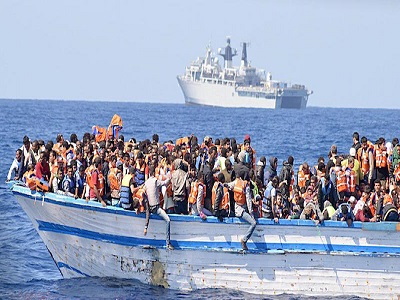
    Un milione di anime hanno sperato in una vita migliore. Fuggiti dalle loro case distrutte dalla guerra o portate via dalla povertà, da terre lontane in tanti si sono diretti in Europa, pagando loschi individui per un rischioso trasporto via mare, senza nemmeno la certezza di farcela; sto parlando dei migranti, persone la cui unica colpa è aver sperato. Hanno visto i loro compagni morire e finalmente sono giunti finalmente in Italia, una tappa temporanea per poi fermarsi in Germania, Francia, Regno Unito e nei paesi del Nord Europa.

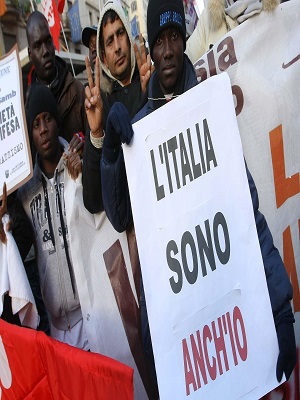
    Foto Roberto Monaldo / LaPresse 14-01-2012 Roma Interni Corteo "Accoglienza e solidarietà con tutti gli immigrati contro il razzismo" Nella foto Un momento della manifestazione Photo Roberto Monaldo / LaPresse 14-01-2012 Rome Demonstration against the racism In the photo A moment of demonstrationAlcuni li trattano con disprezzo e pensano: “Perché non siete rimasti a casa vostra?”. Io mi domando: tu cosa sceglieresti tra il vivere in un paese dilaniato da guerre e povertà, senza sapere se il giorno dopo riuscirai a mangiare o sarai ancora vivo o rischiare il tutto per tutto, sperando di farcela e abbandonando il tuo paese? Anch’io se fossi nei loro panni fuggirei. Sono persone come noi; come alcuni di noi sono cattivi così alcuni di loro lo sono. Mi piange il cuore e provo rabbia quando sento di omicidi e stupri; mi rammarico quando gli artefici sono dei clandestini perché mi rendo conto che il nostro paese non è in grado di controllare queste persone. L’Italia va avanti a fatica e ha difficoltà a gestire continui e crescenti flussi migratori. Altri paesi, come la Francia, hanno chiuso le frontiere; certamente noi non possiamo rispedire indietro i migranti su altre barche. La situazione sta degenerando. Ormai si parla sempre e solo di numeri, dati e statistiche e si perde di vista la componente umana. Non si riesce nemmeno a offrire ai migranti un lavoro onesto.

    L’Italia ha dimostrato di non sapercela fare. Ha bisogno di aiuto, un aiuto che dovrebbe venire dalla comunità europea, ridistribuendo i profughi in vari paesi, intervenendo per porre fine ai conflitti nei loro Stati e investire per debellare la povertà. La responsabilità è di tutti e tutti dobbiamo contribuire per risolvere il problema. Le persone non si abbandonano a un destino tragico ma si aiutano. La speranza non deve morire.