Tag: UK

  • Articolo senza titolo 14599

    THE HUMAN RIGHTS DAY 
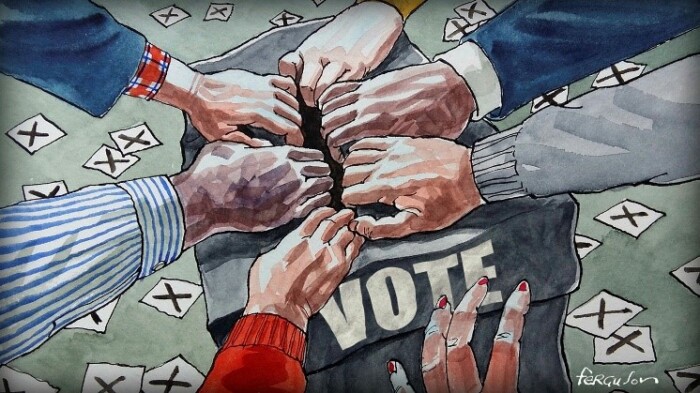
    Human Rights Day is observed every year on 10 December. This day was adopted by the United Nations General Assembly in 1948, the same day and year when a milestone document in the history of human rights was adopted: the Universal Declaration of Human Rights.

    This document is like a global road map for freedom and equality – protecting the rights of every individual, everywhere. Its adoption recognises human rights to be the foundation for freedom, justice and peace. It is the most translated document around the globe available in over 500 languages.

    Despite the efforts to protect human rights, the hostility toward human rights and those who defend them continues to rise. It is the case of Patrick George Zacky: a 29- year- old human rights activist who wrote about his experiences as a Coptic Christian in Egypt and then has gone on trial on the charge of spreading false news.

    Mr Zaki had been studying for a master’s degree in Gender and Women’s Studies at the University of Bologna when he decided to return to Egypt for a short family visit.

    He was arrested in February 2020 at Cairo airport upon his return from Italy, where he had been studying.

    His lawyers said he was condemned just for expressing his opinion. They also alleged that he was subjected to torture, including electric shocks while being questioned about his activism and the EIPR, which is one of Egypt’s leading human rights organisations. The Egyptian government has denied that security forces torture or mistreat detainees in Tora prison in Cairo.

    Detention without trial and the impossibility to defend himself is one of the most unjust violations of fundamental human rights after nearly two years he was released from prison. The court decision to release him is based on the fact that he has not yet been acquitted of the charges for which he has been held prisoner up to now. He is now on the loose, but still on trial, with the next hearing set for February 1st.


    The University of Bologna together with the Italian Government, associations and international movements have been fighting since day one, since that remote 7 February 2020, to see Patrick Zaki’s rights respected and to reaffirm our support for fundamental human rights, freedom of speech and teaching, and the incomparable value of critical thinking.


    The key values that lie at the core of the idea of human rights are human dignity and equality. Human rights can be understood as defining those basic standards which are necessary for a life of dignity.

    Human rights exist for us all. So how can we make use of them? It is clear that their mere existence is not enough to put an end to human rights violations, since we all know that these are committed every day, in every part of the globe.

    The key values that lie at the core of the idea of human rights are human dignity and equality. Human rights can be understood as defining those basic standards which are necessary for a life of dignity
  • THE COP (Climate Change Conference) 26

    THE COP (Climate Change Conference) 26

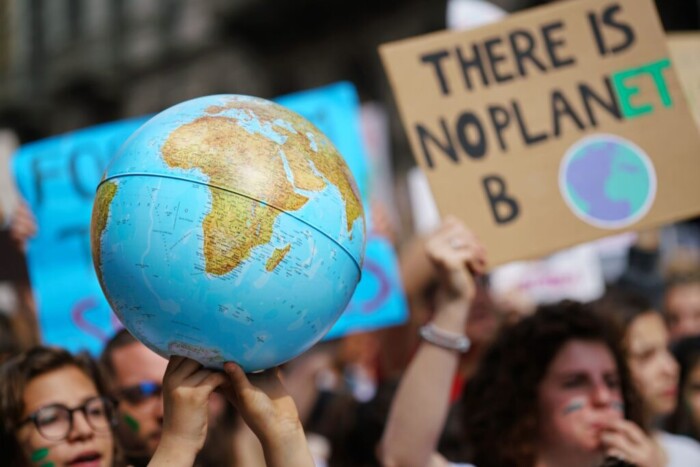
    Since 1995, world leaders have met every year to talk about climate. Cop26, which began on Sunday 31 October in Glasgow has seen the participation of 26 leaders of major countries:

    • President Joe Biden, United States;
    • Prime Minister Boris Johnson and Prince Charles and the Duchess of Cornwall, United Kingdom;
    • Prime Minister Naftali Bennet, State of Israel;
    • Prime Minister Scott Morrison, Australia;
    • President Tayyip Erdogan, Turkey;
    • President Emmanuel Macron, France;
    • Prime Minister Justin Trudeau, Canada;
    • Prime Minister Mario Draghi, Italy;
    • President Ivan Duque, Colombia;
    • Prime Minister Stefan Lofven, Colombia;
    • President Guy Parmelin, Switzerland;
    • President Moon Jae-in, South Korea;
    • The President of the Democratic Republic of Congo Felix Tshisekedi, current chair of the African Union;
    • President Muhammadu Buhari, Nigeria;
    • President Nana Akufo-Addo, Ghana;
    • President Alberto Fernandez,  Argentina.

    They met to discuss the new world emergency: the climate changes as a clear sign that in all these years little or nothing has been done. It is, therefore, the twenty-sixth edition of these summits.

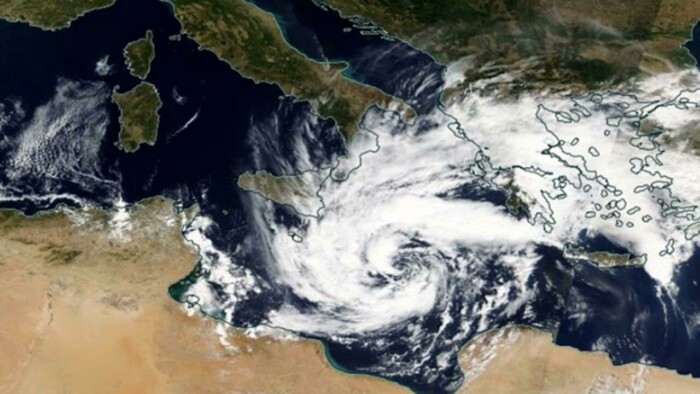
    The premises with which the Glasgow summit opened are not the best: China and Russia (which alone emit more than 30% of climate-altering gases into the atmosphere) will not physically participate in the negotiations, and in Rome, the G20 members failed to reach an ambitious pre-agreement on the climate emergency. Scientists tell us that the consequences of climate change are becoming worst and worst. Nature itself is demonstrating this through increasingly intense, frequent and alas unexpected disasters. One of the main causes is due to the latest forecast of 2.7 degrees temperature increase by the end of the century. What happened in Sicily with the Storm Medicane (Mediterranean Hurricane) is an example: scientists argued that hurricanes could not originate in the Mediterranean region, however, the climate changed and it happened.

    If we are to try to mitigate these events and ensure a long-term – at least liveable – future for the human species, Glasgow can be the right answer.

    The problems are clear, but, luckily, so are the solutions. The positive note is that the representatives of governments gathered in Glasgow will not have to equip themselves with a magic wand in search of impossible solutions and actions.

    What is asked to the governments present at COP26 is therefore a strong and unanimous will to change the policies.

    We need to put a stop to the chapter of our history that began three centuries ago with the Industrial Revolution and start a new era of ecological transition.

    At a civil society’s level, there is already ferment and change is already taking place, driven above all by the younger generations. Companies are also modifying their offers in line with the new needs of consumers: traceability of supply chains, compliance with high environmental and social standards, circular practices. In September of this year, a report from the United Nations warned that the Paris Agreement of 2015’s targets were too weak, leaving the planet on pace to warm by almost 3 degrees Celsius by the end of the century.


    Nowadays, only if all COP member states cut global emissions to net-zero by 2050, we could be able to limit the planet’s warming under 1.5 Celsius and thus with a positive impact on climate change.

    However, all of what has been said must become practice first and foremost at an institutional level. Politics must foster the transition, enabling citizens and businesses to make lasting choices for the environment and for the entire human community. We entrust COP26 with the hope of taking charge of these requests. Meanwhile, as a civil society, let us commit ourselves so that, through meeting and dialogue on territories, the ecological transition reaches the consciences of millions of individuals and favours the emergence of new behaviours.

    The climate crisis is here and now and it must be not only the COP to take action but everyone is called to make a contribution.

  • VE-Day and its legacy

    VE-Day and its legacy

    On this day, on the 8th of May 1945, the War in Europe was officially over after the signing of the unconditional surrender by the provisional German Government. This day marks the end of fascist regimes in Europe after 6 years of atrocious fighting.
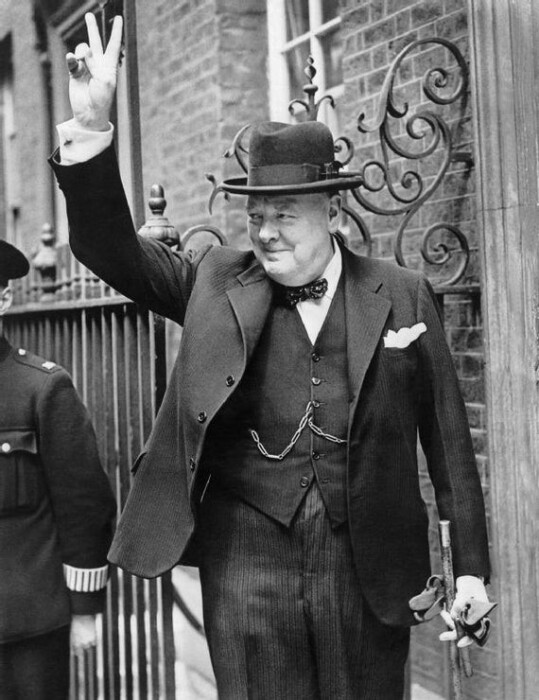
    More than 80 years ago, a man, who was appointed the Prime Minister of the UK with “nothing to offer but blood, toil, tears an d sweat”, refused to submit his Country to Hitler’s requests, he knew that the future of the world was at stake. He was carrying on his back the responsibility to choose how life would be in Europe in the following years: a life either characterized by fascist regimes or by democratic societies.
    Luckily for us, he chose “to wage war, by sea, land and air, with all our might”, and was well aware that “if we fail, then the whole world, including the United States, including all that we have known and cared for, will sink into the abyss of a new Dark Age”. This man, who I’m referring to, is the legend, the myth, Winston Churchill: a man that was able “to ride out the storm of war, and to outlive the menace of tyranny” and was able to achieve for us a free world.
    After the end of World War 2 that date has been officially and internationally, proclaimed as “Victory in Europe Day” and has been observed, particularly, in the United Kingdom since 1945, without missing a single anniversary, even during the Covid-19 outbreak in 2020 regular commemorations were held.
    So you would probably be wondering: how that date, and the decision made by this man in the past, could have affected my everyday life?
    In fact, it’s thanks to this day that we live our everyday life as we have known since we were born. If we can think, speak, live, and more in general express ourselves freely, we owe this possibility to all those men who put a “higher good” in front of their very life.
    Currently, we live in a society which guarantees freedom and equality to all the people who lives in it, having said that, is it for real like that? In fact, no.
    I’ll make an example, are we free to say everything we want whenever we want? True. Accordingly to what I just exposed; can I say something totally normal from my point of view even if it may sound offensive to somebody else? False. That’s my point, isn’t this technically a limitation of my freedom of expression? Definitely not. So, here comes the paradox of our society, when does my freedom to express begin, and, when does it end?
    Most of the time, we forget that our society is made by a majority of people who express the same idea in the same way, and, a minority of people that may express a totally different idea or the same idea of the majority in different ways. We all have our own lives, marked by our emotions and sensations, and, most importantly, we all are sensible or insensible regarding something. Cleared this aspect, we must always remember that everyone of us counts as one and everybody is free to say anything they want, provided that he won’t interfere with the right of somebody else
    Nowadays we are facing the hardest time for our western society: we are bound to make a decision that will certainly have an impact on our future. Just as 80 years ago, we shall allow everybody to express themselves freely without any prevarication or any suppression of any means. We can do it in one possible way: we must “let’s go forward together with our united strength”, remembering that we are all citizens of the same world and that we should straight up defend the existence of minorities with laws and with social campaign guaranteeing the right of expression for everyone.
    On the other hand, if we do not understand the ever simple concept that we are all human beings, everybody different and perfect with its imperfection from one another, we will be forced, in order to defend minorities to censor some words, some common expressions and, eventually, our society will be no different from the repressive societies of the past.
    I hope that we will be able to overcome this critical issue and, in the end, I hope that we will find the right balance between mutual freedom and, if our society will “last for a thousand years, men will still say: this was their finest hour.”

  • April fool’s day (April fish)

    April fool’s day (April fish)

    April Fools’ Day is celebrated on the first day of April each year.

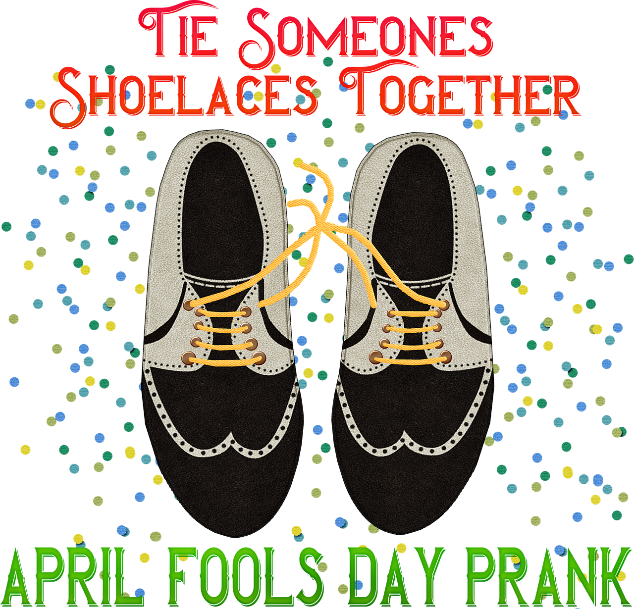
    It’s the custom to play a trick or a joke on someone on this day for example telling friends that their shoelaces are untied or sending them on so-called fools’ errands.   If the person falls for the joke, then they are called an ‘April Fool.

    Its true origins are unknown and effectively unknowable.   Many people believe that April fool’s day originated in France in the 1500s because they used the Julian calendar and celebrated the New Year with a celebration that concluded on April 1st.

    Today, April fool’s Day is recognized throughout the Western world, where it is common for newspapers to publish false stories on the day and for people to play hoaxes on each other,

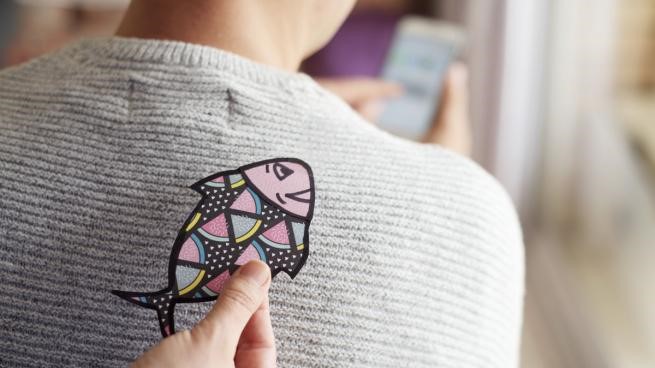
    In France, Belgium, the Netherlands, Italy and French-speaking areas of Canada and Switzerland, the 1st April tradition is known as the ‘April Fish’.   The fooled person is , perhaps in reference to a young fish and hence to one that is easily caught; it is common for children to pin a paper fish to the backs of unsuspecting friends.

    In the UK, jokes and tricks can be played up until noon on 1 April. After midday, it’s considered bad luck to play a trick. Anyone who forgets this and tries a joke in the afternoon becomes an ‘April Fool’ themselves. In Ireland, a popular prank is to send someone on a ‘fool’s errand’. The victim is sent to deliver a letter, supposedly asking for help. When the person receives the letter, they open it, read it and tell the poor messenger that they will have to take the letter to another person. This continues and the victim ends up taking the message to several different people until someone feels sorry for them and shows them what the letter says: ‘Send the fool to someone else.’

    Some newspapers, TV channels and well-known companies publish false news stories to fool people on 1st April.

    In 1959, the BBCTV show Panorama report a Swiss spaghetti Harvest, and showed a Switzerland family harvesting spaghetti!

    In 1962 the Sweden channel Sveriges Television was in black and white, so it told people they could convert their reception to colour by putting a nylon stocking.

    On April Fool’s Day 1998, the American hamburger chain Burger King announced that it had created a left-handed hamburger. The advert for the ‘new product’ explained that all the ingredients had been rotated 180 degrees so that it was more comfortable for left-handed people to pick up and eat. The following day, Burger King admitted that this advertisement had been a hoax, but said that thousands of customers had gone to restaurants across the USA asking for a left-handed burger.

    April Fool’s Day fans say it encourages fun and laughter, and one study found that it reduces stress and therefore could be good for your heart. Other people point out that it can have negative consequences, like confusion, worry or wasting time and resources.

    I love April Fool’s Day. It can be really good fun. I love playing tricks on people and I don’t mind if people play tricks on me. It’s one day of the year you can be really silly and have a laugh and it’s OK. You have to be quite sensible for the other 364 days of the year, so I look forward to 1 April.

    One of the most important things to remember is to have fun in safety, without making dangerous jokes.

    In the era of ‘fake news,’ it’s often hard on a normal day of the year to work out when we’re being tricked into believing something that isn’t true, but on April Fool’s Day, you need to be even more alert. No one knows exactly how the tradition started, but there are plenty of people who enjoy this light-hearted day and are happy to keep the tradition alive.

  • The mysterious world of the left-handed

    The mysterious world of the left-handed

    Do you know that about 10 per cent of the population is left-handed or it’s better to say “lefties”?

    Scientists believe it may be genetic. Being left-handed has not always been accepted and has sometimes been considered a flaw. In the Middle Age, people thought that left-handed people were witches.

    Until recent decades, the left hand was considered the “hand of the devil”, because in contrast to the right, the hand that blesses. For this reason, left-handers have been considered for centuries as “reverses”, to be corrected and sometimes lefties were victims of prejudice.


    An organization called Left-Handers International created the day for left-handers( it’s August 13th)  to celebrate the uniqueness of left-handed people, encouraging the positive aspect and also raising awareness of the difficulty they experience in a world created for right-handers. One of the main goals of the day dedicated left-handers is to see the positives of being on the other side.


    The right side of the brain commands the left side associated with subjects such as art or music. This makes left-handers more creative.

    The demonstration of left-handed genius comes from people like Beethoven, Einstein, Mozart, Charlie Chaplin who were all left-handed  Many people think it is real, others believe it is a myth.


    For left-handed people, it is difficult to live in a right-handed world. There are a lot of tools and utensils for left-handed people like scissors, corkscrews, peelers, can opener but they are more expensive and this is not fair.

    An activity that you can do with right-handers to make them understand the difficulties of being left-handed is to create a “Left-Handed Zone” in which right-handers perform normal actions but with their left hand. Please try this fun experiment and let me know!

  • “Dantedì or Dante day, that  is the question”

    “Dantedì or Dante day, that is the question”

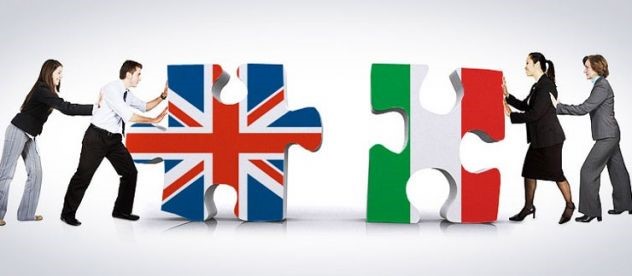
    Using English words in the Italian language seems to be becoming more and more popular these days up to be part of the Italian dictionary. It appears that Italian has a strong inclination towards Anglicism to such an extent that Italian words often tend to be substituted by English ones, even when it may not really be necessary.

    Here are just a few examples of cases in which the English terms are preferred to the Italian ones: computer, make-up, glamour, relax, love, sex, shock, fashion, style, weekend, team and many others.

    This use of an ever-increasing number of foreign words raises many questions and people wonder why Italians don’t create equivalent words in their own language, instead of importing foreign terms.

    But Italians don’t really seem to like these translations, and the debate is still open. On one side, there are those who support the introduction of foreign words, especially English words, into the Italian language, considering them as a way to show off a more international and sophisticated culture. On the other side, many linguists believe that the overuse of these words could represent a threat to the purity of the language.

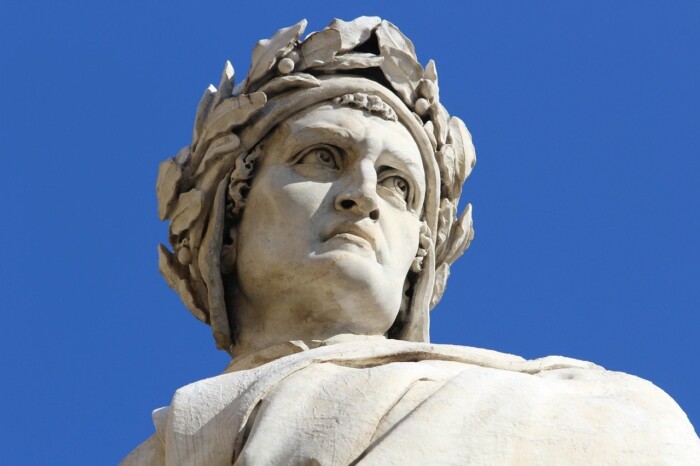
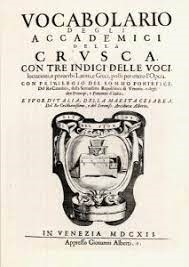
    Accademia della Crusca (Academy of the crusca /of the Bran), the oldest language academy in the world, established in 1583 in Florence (home of the Italian culture) are debating on how English words are despoiling the beauties of Italian.  On the occasion of the  National Dante Day, or Dantedì established to celebrate Dante Alighieri’s 700th death anniversary (dante alighieri , the greatest poet of Italian and world literature) the controversy of the academicians, Puritans of the Italian language, journalists haven’t appeased.  They are mortified by the way English words are despoiling the beauties of Italian and are planning a fightback.

    The academy’s President, Claudio Marazzini, has called a summit and is promising to set up a quick-response unit to “go after politicians, bureaucrats and journalists who bring English words into our language”.

    But what sort of words are worrying them? The communications expert Annamaria Testa,  enumerated hundreds, including austerity, chewing gum, download, outsourcing, public relations, politically correct, taskforce, welfare, caregiver, jobs act, bay-sitting, smart working (the latter used and soon contested by the Italian Premier Mario Draghi.

    Scholars of Italian linguistics and philology see themselves as linguistic sifters (separating good Italian from bad)  and they want to dispatch Italians who use hybrid versions of English words to a particularly fiery circle of hell: “footing” for jogging, “baby parking” for creche, “sexy shop” for sex shop, “mister” for football manager, “box” for garage.

    “It’s too late to do something about ‘car sharing’,” admits Marazzini, “but we need to find Italian words in a hurry for ‘quantitative easing.”

    The Academy motto is: “Il più bel fior ne cogli: “She gathers the fairest flower”,  a famous line by the Italian poet Petrarch and it means that the purest part of the Italian language is examined and offered. Respecting one of the most beautiful languages in the world: the Italian language is necessary to defend people’s identity and history but it’s no longer possible to avoid the language of Shakespeare and Dickens in the land of Dante and Petrarch. In a multicultural society, a community needs to resort to foreign words as an alternative for easy communication.

  • IDIOMS PART II

    IDIOMS PART II


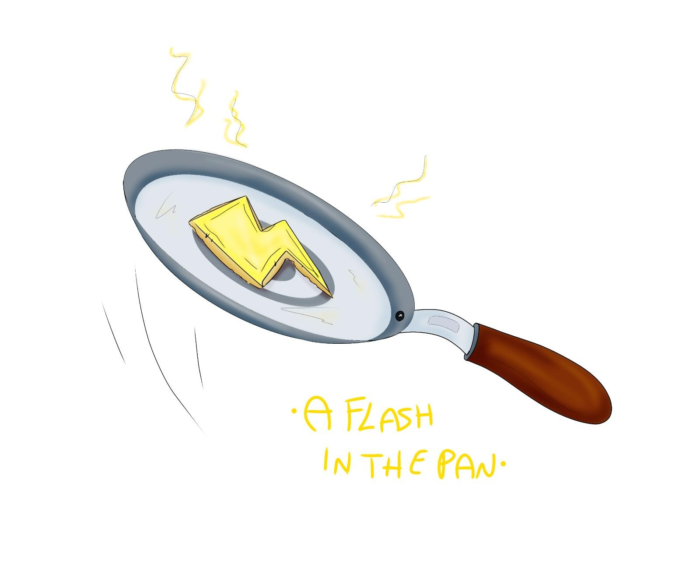
    A FLASH IN THE PAN: letteralmente un lampo in una padella a equivale all’Italiano essere una meteora, oppure fuoco di paglia.

    Meaning: a moment of fame that soon fails.

    Ex: He was named the best new director of 2000. But his career was a flash in the pan.


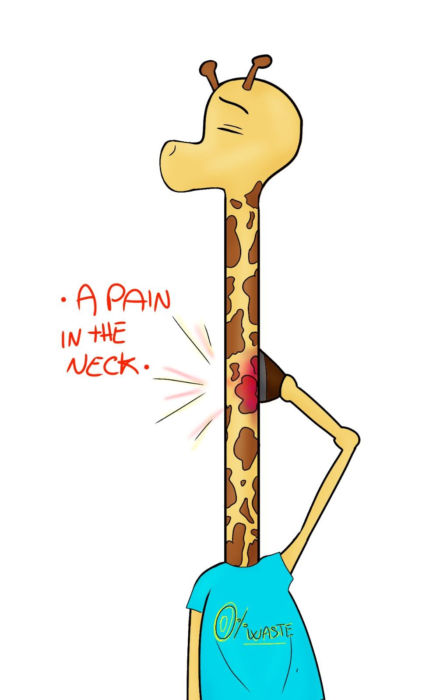
    A  PAIN IN THE NECK: un dolore al collo? No. Questo idioma significa una gran seccatura.

    Meaning: an annoying or tedious person.

    Ex: How is your sister with you, now? She is a pain in the neck. She always tells me to do this or to do that.


    ANTS IN YOUR PANTS: immaginiamo di avere le formiche nelle mutande. In verità l’idioma è abbastanza chiaro, esso significa non stare mai fermi un attimo, essere agitati.

    Meaning: To be unable to sit still, due to anxiety or excess of energy.

    Ex: Mary gets ants in her pants when she finishes working and goes home.


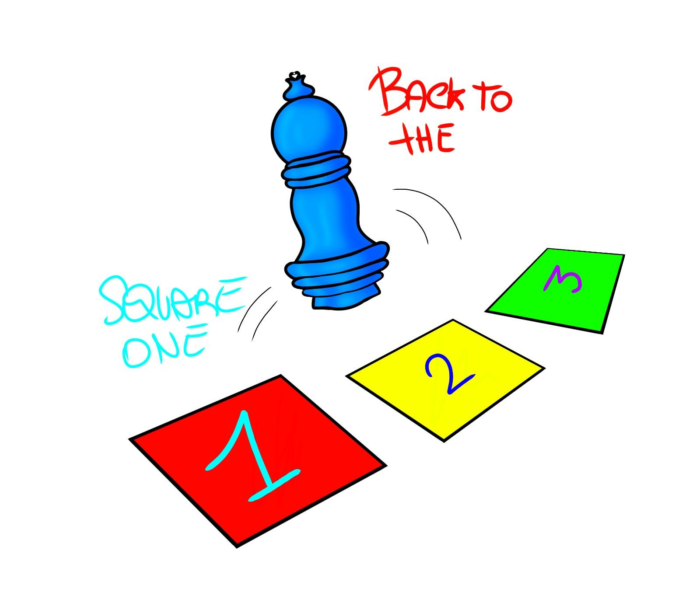
    BACK TO THE SQUARE ONE: tornare a quadro uno, cioè: punto e a capo.

    Meaning: back to the beginning.

    Ex: If they do not accept our proposal, we will be back to square one.


    BETWEEN THE DEVIL AND THE DEEP BLUE SEA: letteralmente tra il diavolo e il profondo mare blu; più semplicemente: tra l’incudine e il martello.

    Meaning:  a dilemma because you have two choices that are both equally unpleasant.

    Ex: John is trying to please his boss and his mother in law so he is between the devil and the deep blue sea.


    To be continued

  • The power of sleeping

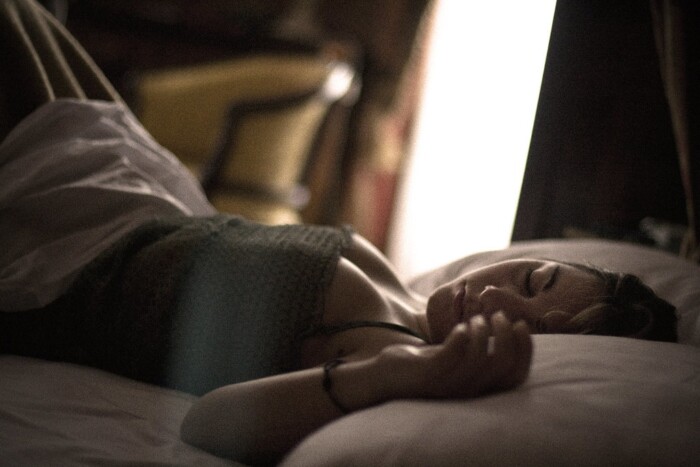
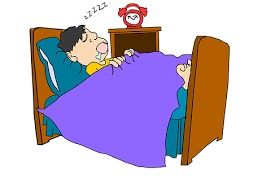
    The power of sleeping

    Do you know that on March 17th is World Sleep Day?

    I’m sure of it because I like sleeping and I’m also a daydreamer as my friends say of me. Moreover, I’ve just finished reading a book about this topic written by Richard Wiseman a psychologist and the best selling author of the book “Night School: the Life-changing science of sleep”  also published in Italian by Valardi as “Il potere del sonno”. And to be honest I read it in Italian.

    Some years ago Dr Wiseman started having strange hallucinations during the night, so he began to do some researches and he collected them in his book.

    During an interview, he underlined we spend a third of our life asleep and how the importance of a correct and balanced sleep can have psychological and health benefits.


    According to him, if you reduce your sleep hours, you are damaging yourself. However not everybody needs eight hours of sleep, for example, Margaret Thatcher, ex-British Prime Minister, could just sleep for four hours a night. Most people need to sleep about eight hours and if they cut this time they will increase the risk factor for heart disease, diabetes and for early death.

    Dreaming also serves a purpose. It is a sort of inner therapist. People who are suffering from depression dream up to five times more than other people because they’re trying to work through their problems in their sleep. Dreams can be also creative in fact many artists and writers took inspirations, for their masterpieces, from their dreams. One example is represented by Paul McCartney who wrote The Beatles song “Yesterday” after a dream. Stevenson, the Scottish writer of “Doctor Jekyll and Mr Hyde”, actually dreamt the entire plot of his novel in dreams. So it’s very clear that sleeping and dreaming have high power in the survival of human life and for our creativity and mind too.


  • Meghan Markle’s public shocking confession: a denounciation or a publicity stunt?

    Meghan Markle’s public shocking confession: a denounciation or a publicity stunt?

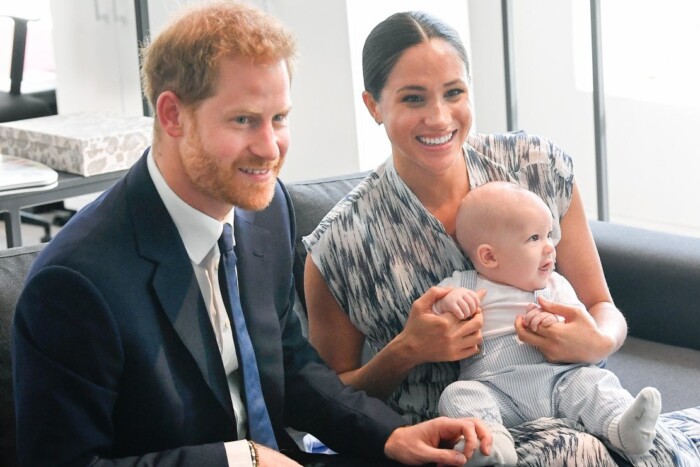
    Meghan Markle made her name as an actress, campaigner and blogger before marrying Prince Harry in May 2018 and becoming the Duchess of Sussex.

    When she became a member of the Royal Family, she gave up her acting career – and immersed herself in the life of a working royal, using the platform to highlight the charities and causes close to her heart.

    She became a mother in May 2019 but within a year she and Prince Harry had stepped away as working members of the Royal Family and started a new life in North America.

    She is now living in California and expecting her second child.

    During these three years, she’s been pretty active with her Royal duties – but the public eye has been very much focused on her behaviour.
    Once, she wore dark nail polish. How very unduchess-like! Even worse, she also closed the door of her own car. That’s unheard- of!
    The list of occasions that Meghan Markle has broken Royal protocol goes on and on. Most of them are related to her bold fashion choices. For example, she wore black from head to toe when not in mourning. She also wore no stockings underneath a skirt. Bare legs in public! It doesn’t matter if it was the middle of August… this is certainly something that the Queen strongly disapproved of.
    The problem is that the list is getting longer…
    While often described as a Royal rule-breaker, she migrated to a life free from Royal commitments and duties overseas.

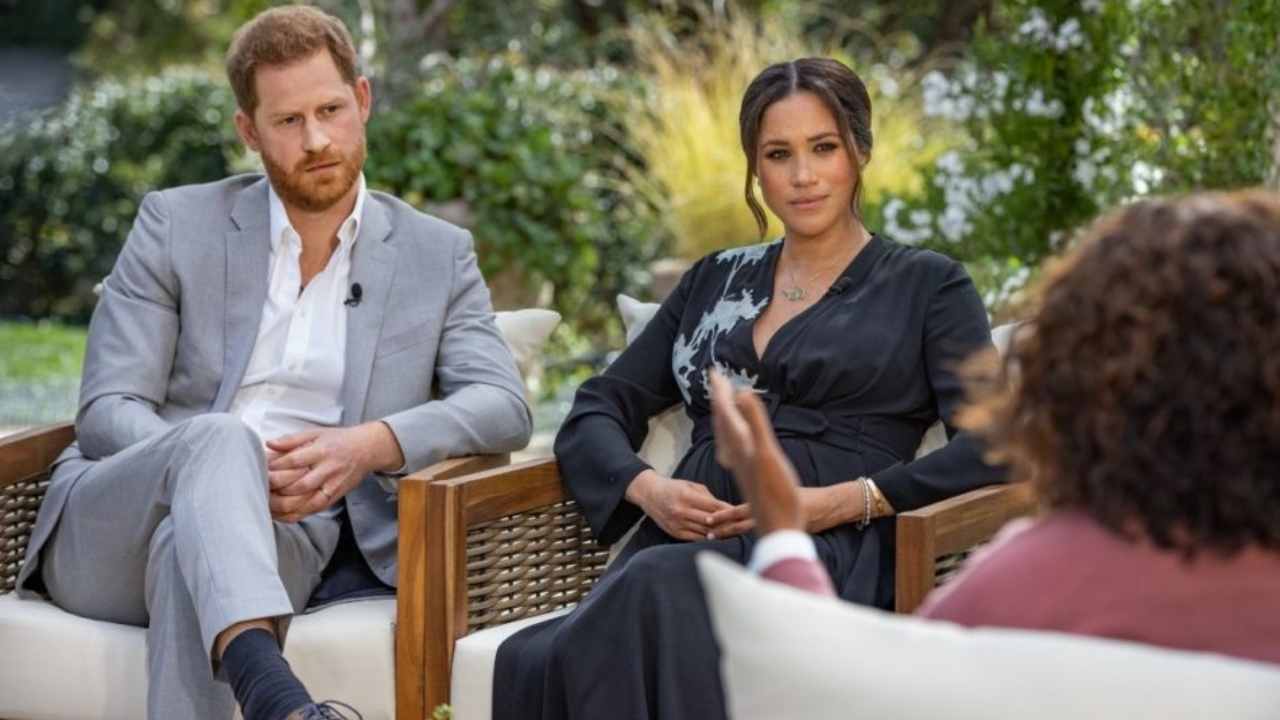
    But what happened some days ago when she together her husba nd Harry were interviewed by Oprah Winfrey, one of the most appreciate American talk show host? The interview was hold  in  Southern California, where they now live and where Meghan released shocking public confessions.

    She said her life as a British royal was so isolating and lonely at one point she “didn’t want to be alive anymore” — a stunning admission likely to rock the foundations of the centuries-old institution. Moreover, she confessed that a senior royal had “concerns and conversations” about how dark her son Archie’s skin would be.

    Queen Elizabeth II turns the tables and breaks the silence with a press release officer that leaves everyone speechless. As a great woman of power and a fine strategist (who in her long years of regency has seen all sorts of things), Queen Elizabeth was not caught unprepared and defined herself “saddened” by the suffering told by the two and the difficulties that Meghan had to deal, especially with regard to the “racial issues” brought to light by the Dukes of Sussex.

    Buckingham Palace, therefore, decided to immediately take a precise position, thus avoiding remaining in the shadows after the strong statements of Meghan and Harry.

    The situation is getting complicated if we also consider the delicate health conditions of Prince Philip, close to 100 years old and in hospital due to heart surgery. Many believe that Meghan goes down hard in the interview, but the Duchess seems to have suffered a lot and she has decided not to hide it anymore.

    To tell her truth, she chose the dangerous mechanisms of television, aware of the boomerang effect that could come. Mayb

    e she is lying to make herself a victim or she is using the race card to gain sympathy.

    What is sure is that soon Twitterati empathised with the former royal couple and their interview.

    What we can understand is that Meghan like Diana, married into a family that did not understand her and believed she would conform, without complaint, to royal customs and protocol. As with Diana, proved unable or unwilling to tow the family line, and like Diana, Meghan found herself hounded by the tabloids, the same intrusive media that has forced her to move and live a normal life away from England.

    Anyway, Prince William has declared:” “We’re very much not a racist family”, and to be honest: We believe him!


    -Giulia Franchini,

    -Davide Palumbo.

  • The way to Zero Waste

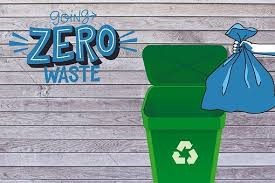
    The way to Zero Waste

    Every day the media outlets report on the ever-growing pollution, the impact on the environment of the carbon footprint, the emission of gases that

    contribute to global warming.

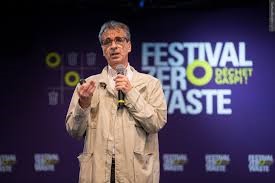
    So, what can we do as individuals to stop harming the environment? The first step and the possible right answer towards switching to a more sustainable lifestyle can be  Zero Waste. Mr Rossano Ercolini, an elementary school teacher, has begun a public education campaign in the waste field and is a leading name of the zero waste movement in Italy. As a result of his efforts, his home-town Capannori (LU) was the first European city to declare the goal of zero waste by 2020. He has helped the Zero Waste movement grow beyond the Italian borders into what is now the Zero Waste Europe movement. In 2013 Mr Rossano was awarded the Goldman Environmental Prize, considered the “Green Nobel PrizePol” for his contributions to the Zero Waste movement in Italy. I had the pleasure and for that, I want to thanks the headteacher of the Lyceeum I attend because, this morning students and of course me were invited to a meetup and to have a talk with   Mr Ercolini who, with his oratory skill, has told us about his great campaigns and his famous books to promote a zero-waste philosophy and to share insights. The meeting was broadcasted in live streaming on youtube.

    According to Mr Ercolini waste is one of the most important problems of our society, even if it is often overlooked.

    Here are a few measures, to be precise ten  steps if you want to be part of the solution:

    • source separation,
    • door-to-door collection,
    • composting,
    • recycling,
    • waste reduction,
    • reuse and repair,
    • punctual pricing,
    • waste recovery,
    • research and redesign centre,
    • waste zeroing.

    In addition to these suggestions we can implement the 7 RS:

    • Refuse the things you don’t need.
    • Reduce consumption and purchasing and try to just by stuff that is really indispensable.
    • Reuse and Restore, and try to repair, as many things as possible. Give them a second life.
    • Recycle everything you can.
    • Rot, meaning “recycle” all organic materials, turning them into compost you can use fertiliser.
    • Revive a green technology to re-use and produce sustainable alternatives to products such as coffee grounds, palm oil and so on.

    In addition to these tips, we must try to reduce packaging and plastic consumption to save the world.