Categoria: Inglese

  • A Modern Take on Shakespeare: ‘As Cold as Any Stone’ at Teatro Magma

    A Modern Take on Shakespeare: ‘As Cold as Any Stone’ at Teatro Magma

    On 29th January, students had the opportunity to attend a fascinating theatrical performance at Teatro Magma, located in Via Vesuvio, Torre Annunziata. The play, titled As Cold as Any Stone, was inspired by William Shakespeare’s Henry V and offered an innovative approach to classical theatre.

    The performance stood out for its minimalist yet highly effective staging. With only a few props and a single versatile actor—a native English speaker—the production managed to create an engaging and interactive experience. Despite featuring excerpts from four monologues of Henry V, the performance captivated us, preventing any sense of fatigue or disinterest.
    One of the most remarkable aspects was the creative use of everyday objects to symbolize historical events. Paper boats represented the English fleet, baguettes and breadsticks staged the war between France and England, while an ornate chair symbolized the throne. This imaginative approach echoed the essence of Elizabethan theater, where simplicity in set design was compensated by powerful storytelling and audience involvement.

    The title As Cold as Any Stone carries significant meaning. The phrase, a traditional English simile, appears in Shakespeare’s works, including Henry V, and is often used to describe lifelessness, emotional detachment, or the cold reality of war. In this context, it may symbolize the stark nature of leadership, the brutality of battle, and the contrast between power and humanity—key themes explored in Henry V.
    Overall, As Cold as Any Stone successfully combined tradition and innovation, making Shakespeare accessible and engaging for students. The production not only honored the original text but also demonstrated how theatre can evolve while maintaining its timeless essence. Teatro Magma’s performance was a brilliant example of how creativity and minimalism can breathe new life into classic literature.

    By the way we all, when discouraged by events or down in the dump would need a sort of the St. Crispin’s Day speech. It is considered one of Shakespeare’s most famous and influential speech because  its themes of courage, sacrifice, and brotherhood resonate with audiences of all ages.

  • 67TH GRAMMY NOMINEE: Billie Eilish gets 7 nominations

    67TH GRAMMY NOMINEE: Billie Eilish gets 7 nominations

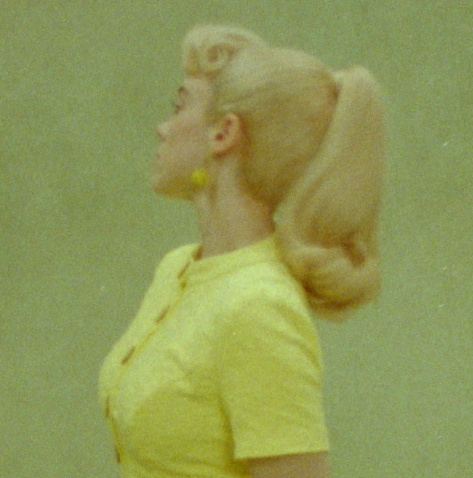
    This morning, The Recording Academy, made public the new nominations of the 67TH Annual Grammy Awards, these nominations include Billie Eilish and her new Album “HIT ME HARD AND SOFT” (Third Studio Album)

    The nominations are: “Record of the Year”, “Best POP Solo Performance” and “Song of the year” for Birds of  Feather (the fourth track of the album); “Album of the year“, “Best POP Vocal Album” for her new Album; “Best Dance POP Recording” for L’AMOUR DE MA VIE [OVER NOW EXTENDED EDIT]; and finally “Best POP Duo/Group Performance” for Guess with Charli xcx.

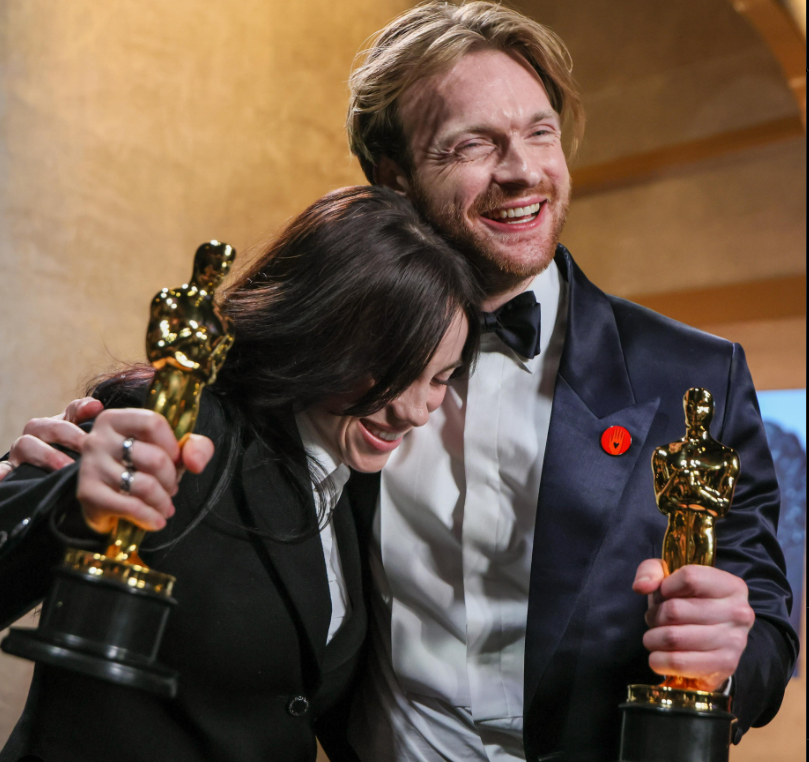
    Billie Eilish never stops to amaze us. She is only 22 but she has already broken the world records becoming the first artist to have three Albums nominated as “Album of the Year”, the youngest to win two Oscars beating Luise Rainer who won her second Oscar at 28 years old, nominated Woman of the year at only 17. Billie Eilish started recording music in her room and now she is an Icon in the music industry.

    On August 20th she came first in the long list of most streamed artists in the world beating Taylor Swift and The Weeknd, Eilish announced it on an Instangram post where she says:

    1 in the world on Spotify I really can’t believe this, I love you all so much this is the craziest thing ever.

    The new album talks about the real Billie Eilish, the child that the media and the fame killed years ago. This album is for Billie, the path/road that leads her to her goal: to find her true self. In an Interview with Rolling Stone, she says:

    I feel like this album represents meI feel like this album represents me. […] The protagonist is not a character. She is the When We All Fall Asleep, Where Do We Go? version of me. She tells about my youth and who I was as a child. […] It’s like I’m going back to being the girl I was. I mourned her as if she were dead. I looked for her in everything, and it’s almost like she drowned, the world and the media’s fault. I don’t even remember when she left anymore.

    The varied themes afforded in the album are important ones like body shaming, the fear to grow up, sexuality, friendship and much more.

    The most famous tracks are: Birds of a feather, Chihiro, Wildflower and Lunch.

    The first one was  described The Los Angeles Times  as a “breezy neo-new-wave jam” because the musical atmosphere recalls the pop sounds of the 90s, with a touch of melancholy and obsession. The title comes from the English proverb “birds of a feather flock together”, which is used to express that people with similar traits and interests gravitate towards each other.

    The second one is ispired on the animated film “spirited away”, and the name of the song is the same of the protagonist of the film: Chihiro. It talks about the fear of ending a reletionship.

    Wildflower talks about her past, especially  something that the singer did in the past: date her best firend’s ex. We all know, thatone of the unwritten rules of friendship is precisely this. In the song Billie talks about a girl who cried on her shoulders because of her boyfriend who is most likely the singer of Neghborhood Jesse Rutherford, thus finding herself in a love triangle in which she does not know how to act.

    I should put it all behind me, shouldn’t I?
    But I see her in the back of my mind, all the time…Like a fever, like I’m burning aliveLike a sign
    Did I cross the line?
    You say no one knows you so well, but everytime you touch me I just wonder how she felt. 
    Valentine’s day crying in the hotel, I know you didn’t meant to hurt me so I kept it to myself.
    Finally, Lunch is the single of the album. It talks about her sexuality and more specifically about a relationship with a girl, she describes an attraction that evolves from a physical desire to an authentic feeling. The meaning of the song refers to the sexual experience with the person with whom she feels attraction and the text, very explicit, describes being electrified by the taste of the girl and continues imagining that it can be consumed as if it were a meal.
    Furthermore, the album is completly connected in itself: at the end of the first track (SKINNY) there are violins that play the theme of the sixth track (THE GREATEST) as well as in the last track (BLUE). In the eigthth track (THE DINER) we can listen the note of the piano that are in LUNCH. Even, to demonstrate how his music in general is all connected to each other, in Birds of a feather there are some bits that are taken from the second album Happier than Ever.
    Antonio Cinquegrana
    III A Linguistico
  • Discovering Torre Annunziata

    Discovering Torre Annunziata

    At the home of an Empress

    Nestled between Mount Vesuvius and the sea, Torre Annunziata offers breathtaking landscapes, welcoming squares, and a vibrant atmosphere.
    But our city is not just this; it is rich in history, culture, and traditions.
    Founded i
    n the 14th century on the ruins of ancient Oplontis, it boasts an extraordinary archaeological heritage that was declared a UNESCO World Heritage Site in 1997.
    The jewel of these Roman-era remains is undoubtedly Villa A, attributed to Poppaea, the second wife of Emperor Nero.
    This is evidenced by some artifacts, including, in particular, an amphora that bore the inscription Secundo Poppaeae, meaning “to Secundus (procurator) of Poppaea,” painted on its shoulder. Her name also appears in a graffito on the bottom of a terra sigillata plate.
    Furthermore, the vastness and intricate complexity of the architectural structure, combined with the richness and beauty of the decorations, suggest that the building belonged to people of very high social rank.
    The initial construction of the villa dates back to the mid-1st century BC, and at the time of the Vesuvian eruption in the autumn of 79 AD, it was undergoing renovations, as evidenced by the presence of damaged and propped-up columns under the portico, and the placement of statues out of position, as well as the fact that no victims have been found in any of the over 90 rooms excavated so far.
    If you want to immerse yourself in the charm and elegance of this villa of leisure, follow us on our itinerary.
    Once you descend the steps of the access staircase to the excavation, you find yourself in the northern garden, to the right of which you can observe the succession of layers of ash, pumice, lapilli, and pyroclastic flows that buried the area during the eruption of Vesuvius.
    The garden itself, where the plants that were present at the time of the Vesuvian catastrophe have been replanted and the internal pathways restored, is highly evocative.
    Overlooking it is the back of the villa, dominated by the grandeur of a large hall with columns, where some of the sculptures found in the villa have been exhibited for a few months.
    These include five fountains, four representing rearing centaurs, two male and two female, found under the west portico but originally placed to decorate the garden, and a splendid neo-Attic crater-fountain in Pentelic marble depicting a bas-relief dance of naked and armed warriors, which was located in the low square basin on the south side of the pool.
    Continuing westward, after crossing a large room with an opus sectile floor opening onto viridaria with walls decorated in the fourth style, you reach the pool area, whose central core consists of a large tank (62×17 m.) overlooked by some rooms that must have been preceded by a portico.
    Some of them now display sculptures, most of which (a headless Nike, an Artemis, an ephebe, two herms of children) were part of the rich complex that decorated the western edge of the same pool, while the group depicting a Satyr attacking Hermaphroditus was found on the southern edge of the tank.
    In the last room to the south, another fountain sculpture is displayed, found, like the centaurs, temporarily stored under the portico, depicting a child playing with a goose from whose beak water must have flowed.
    Leaving the pool, you enter a long room from which two long corridors branch off, one to the east and the other to the south, both with walls and ceilings decorated with geometric paintings in the fourth style; the one to the east, which connects to the service area, is characterized by the presence of masonry benches at short intervals, while the other allows us to reach the southern garden and the three-armed portico that surrounds it.
    Following this portico, you arrive at another “closed” portico along which are arranged cubicula (bedrooms) and other rooms, including a hall with beautiful paintings in the second style.
    From here, you access the service area developed around the rustic peristyle with a central fountain, overlooked by the large lararium, on whose western wall, within a niche, a real masonry altar is built. From here, you access the large atrium, characterized by the presence of a compluvium in the ceiling that channeled rainwater falling from the roof into the impluvium, the basin located in the center of the floor; from here, the water ended up in the cisterns and was then used for domestic purposes.
    The walls of the atrium also feature a spectacular second-style decoration that envelops the visitor with its perspective vistas.
    To the south of it should have been the main entrance of the villa with its sea-facing facade; unfortunately, it was destroyed at the end of the 16th century when Count Muzio Tuttavilla built the canal (still existing) that carried water from the Sarno springs and erected a series of mills along it to produce flour.
    Continuing eastward, we find the kitchen next to the triclinium where official banquets were held, with a beautiful polychrome mosaic floor and a rich second-style decoration, including a striking basket of ripe figs.
    From here, you pass into the so-called “peacock room” and the nearby thermal baths overlooking a small tetrastyle atrium with a central circular basin.
    The decoration in the third style of the walls of the “calidarium” is unique, including a niche painting of Hercules in the garden of the Hesperides, probably a copy of a Greek original.
    To date, this is the last visitable sector of the villa, awaiting the wonders that the excavations resumed a few months ago will reveal.
    With this quick and approximate presentation of the villa, we invite you to discover Torre Annunziata, where the past blends with the present in a fascinating mix of tradition and solemnity.

    Oplonti’s gold.

    Imagine stepping back in time as you enter an extraordinary villa from the 2nd century BC, known today as “Villa B”.

     Just 300 meters from the famous Villa of Poppea, this hidden gem was discovered in 1974 during the construction of the gymnasium at “Scuola media Parini”

    Walking through the remains of the villa, we discover it was not just a simple home but a bustling commercial enterprise active even at the time of the eruption.

    Thanks to a ring with the owner’s seal, we know this is the Villa of Lucius Crassius Tertius, connecting us directly to an ancient resident and making the visit even more fascinating.

    In the peristyle, there is  a series of columns made of gray tuff from Nocera that once supported the portico. The faded colors and worn surfaces tell stories of a distant past. On the upper floor, the only piece of recovered furniture catches our eye with its elegance and complexity: a strongbox decorated with fine bronze details, showcasing the refined taste and wealth of the owner. Descending to the lower floor, we find vaulted warehouses. Here, human drama is revealed in its rawest form: 54 individuals died in a desperate attempt to escape the eruption of Vesuvius.

    The walls still echo their final moments, making the tragedy that struck this place palpable. In their skeletal hands, archaeologists found precious personal items: necklaces, bracelets, rings, earrings, and coins in gold, silver, and bronze, known as the “Oplontis Gold”.

    These treasures show us the art and culture of the time and tell personal stories of their owners. A touching moment of our journey is seeing the fiberglass cast of the “girl of Oplontis”, allowing us to look into the eyes of a young life cut short by disaster. Medical studies on the skeletons have revealed the age and sex of the deceased, uncovering details of their lives.

     Although the villa is not open to the public except on special occasions, even imagining walking through its ruins is a unique experience. The hope is that, with time and proper interventions, “Villa B” will become a regular destination for history and archaeology enthusiasts: a place where the past comes alive and tells stories of life, death, and resilience.

    FAITH AND TRADITIONS

    Minor Pontifical Basilica of Maria SS. Of the Snow.

    If you want to live an immersive experience in the culture and spirituality of Torre Annunziata, appreciating at the same time the architectural and artistic beauty of a historic religious building, visit the basilica dedicated to Maria SS. Of the Snow. Here everything speaks of history, faith, art and community.
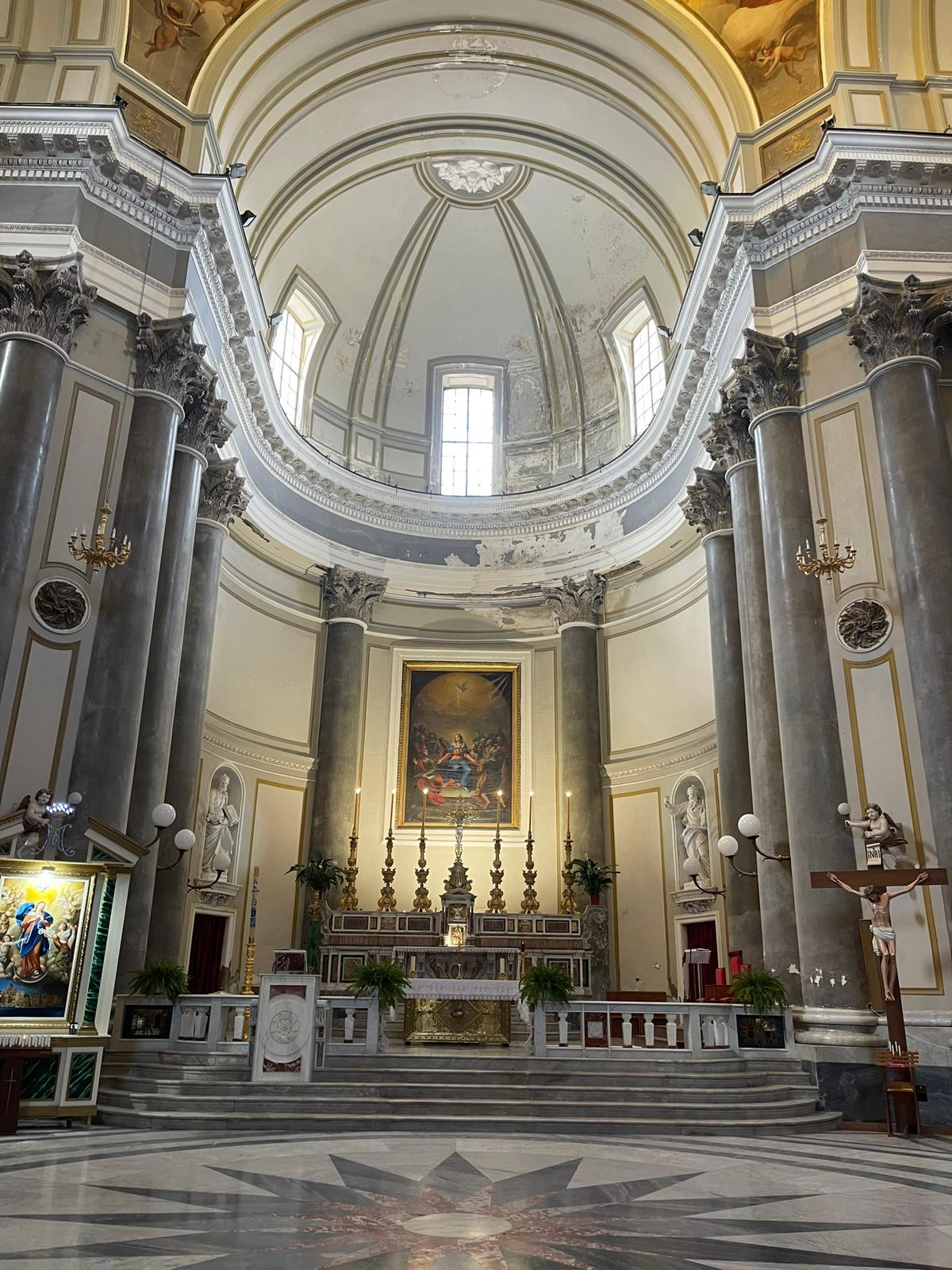
    Built in the 15th century at the behest of the feudal lord Nicola d’Alagno, the basilica was enlarged in the 18th century and renovated in the 19th century. The classical facade is spread over two levels, with the portal framed by Ionic pil
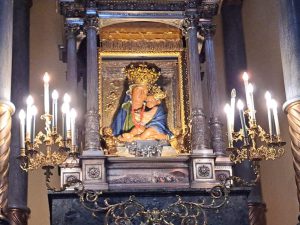
    asters and surmounted, on the upper level, by a large blind window. The square bell tower and the small temple of Santa Maria del Suffragio complete the architectural harmony. The interior has a single nave with seven arched chapels on each side, dedicated to sacred figures or containing relics. Standing out among the works of art are a large seventeenth-century organ, a marble baptistery, the frescoes by Achille Iovane, a nineteenth-century Neapolitan painter, and a fifteenth-century marble sink, preserved in the sacristy, the only trace of the ancient church built by the d’Alagno. But above all it is the Renaissance terracotta icon depicting the Madonna della Neve that attracts the attention of faithful and visitors, located in the chapel to the left of the transept in a small silver temple created by the goldsmith Michele Centonze in 1907 at the expense of the community. The venerated icon, according to tradition, was found by fishermen from Torre on 5 August of an unspecified year in the 14th century near the Rovigliano rock. This is why it was called Madonna della

    Neve, August 5th, in fact, was already dedicated to Santa Maria ad Nives. The Madonna is celebrated by the Torrese people for numerous miracles, in particular those linked to some eruptions of Vesuvius.

    If you come to Torre Annunziata on August 5th, the patronal feast, you can attend the historical re-enactment of the discovery of the icon on the Rovigliano beach. If you come on October 22nd, a votive festival, you can take part in the procession which commemorates the miracle of 1822, when the Madonna, carried through the streets of the city, stopped the lava coming down from Vesuvius. And when the Madonna della Neve leaves the basilica on October 22nd, carried
    on the shoulders of fishermen, there is always a ray of sunshine that caresses the crowd and the city.

    Sanctuary of the Spirito Santo

    In the center of Torre Annunziata, the Church of the Holy Spirit stands majestically as a symbol of faith and resilience. This sacred place, with its captivating architecture and vibrant community life, represents a spiritualand cultural landmark for the residents. The history of the Church of the Holy Spirit in Torre Annunziata is closely linked to the growth and development of the city.
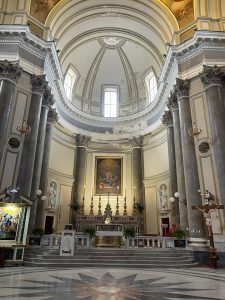


    Founded in the 18th century, the church has seen its community thrive despite the challenges of time. Over the years, the building has undergone various modifications and restorations, including the collapse of the dome, which was then rebuilt in 1820. It is a dome 60 meters high, which with its majestic grandeur oversees the entire city


    and is visible even from the sea. There is no more beautiful postcard of Torre Annunziata than the one depicting the port with the Church of the Holy Spirit in the background.

    The architecture of the Church of the Holy Spirit mixes traditional and modern elements, reflecting the evolution of its design over time. The welcoming façade with elegant classical lines and numerous decorative details invites visitors into a space that exudes calm and devotion. To the right and left of the façade stand the bell tower and the clock tower. Inside the church, one can see a wide central nave with side chapels decorated with sacred artworks that narrate the lives of the saints, while the frescoes on the vault, by 19th-century painter Achille Iovane, depict the Baptism of Jesus, the Holy Trinity, andthe Annunciation. The stained glass windows, portraying scenes from the Bible and symbols of the Holy Spirit, diffuse daylight, creating an atmosphere of silent contemplation and prayer.

    The Churchof the Holy Spirit is also a vital center for community activities, regularly organizing liturgical events, catechesis for youth and adults, as well as prayer and

    meditation meetings. The church actively engages in charity and volunteer projects, offering help to needy families, the homeless, and lonely elderly people.

    With the current restoration and modernization works underway, the parish is committed to preserving the historical and cultural heritage of the place, making it increasingly accessible and welcoming to new generations.

    Immacolata Concezione’s church

    The church of “Immacolata Concezione” rises where the Strina family erected a chapel, which was opened for worship on May 26, 1618, dedicated to “Madonna della Pietà”. Completely destroyed by the eruption of Mount Vesuvius in 1631, it was rebuilt by the Strina family in 1635 with contributions from the faithful, who enlarged it in 1645. Further expansions were carried out between 1672 and 1742 with significant contributions from the heirs of the Colonna family. During this time, the church was elongated by adding two chapels that extended towards the royal road, a bell tower was built, and the original Pietà chapel was incorporated. Since 1926, it has held the title of the Parish of the Immacolata Concezione.

    Every year on the Feast of the Immacolata Concezione (December 8), there is a traditional simulated burning of the bell tower, carried out by the national fire department.

    The interior has three naves, in the central one we can admire the marble pulpit from which Saint Alfonso de’ Liguori preached in the 18th century, while looking up towards the barrel vault we are struck by the lacunars with the frescoes by the painter Vincenzo Bisogno, from Torre Annunziata,  representing the birth of Mary, the presentation of Mary in the temple and the Immaculate Conception interceding with God to free Torre Annunziata from cholera. The canvas depicting the Crucifixion, attributed to Mattia Preti, attracts our attention as soon as we enter the church, on the right.


    PROVOLERA’S DISTRICT: between arms and kindness

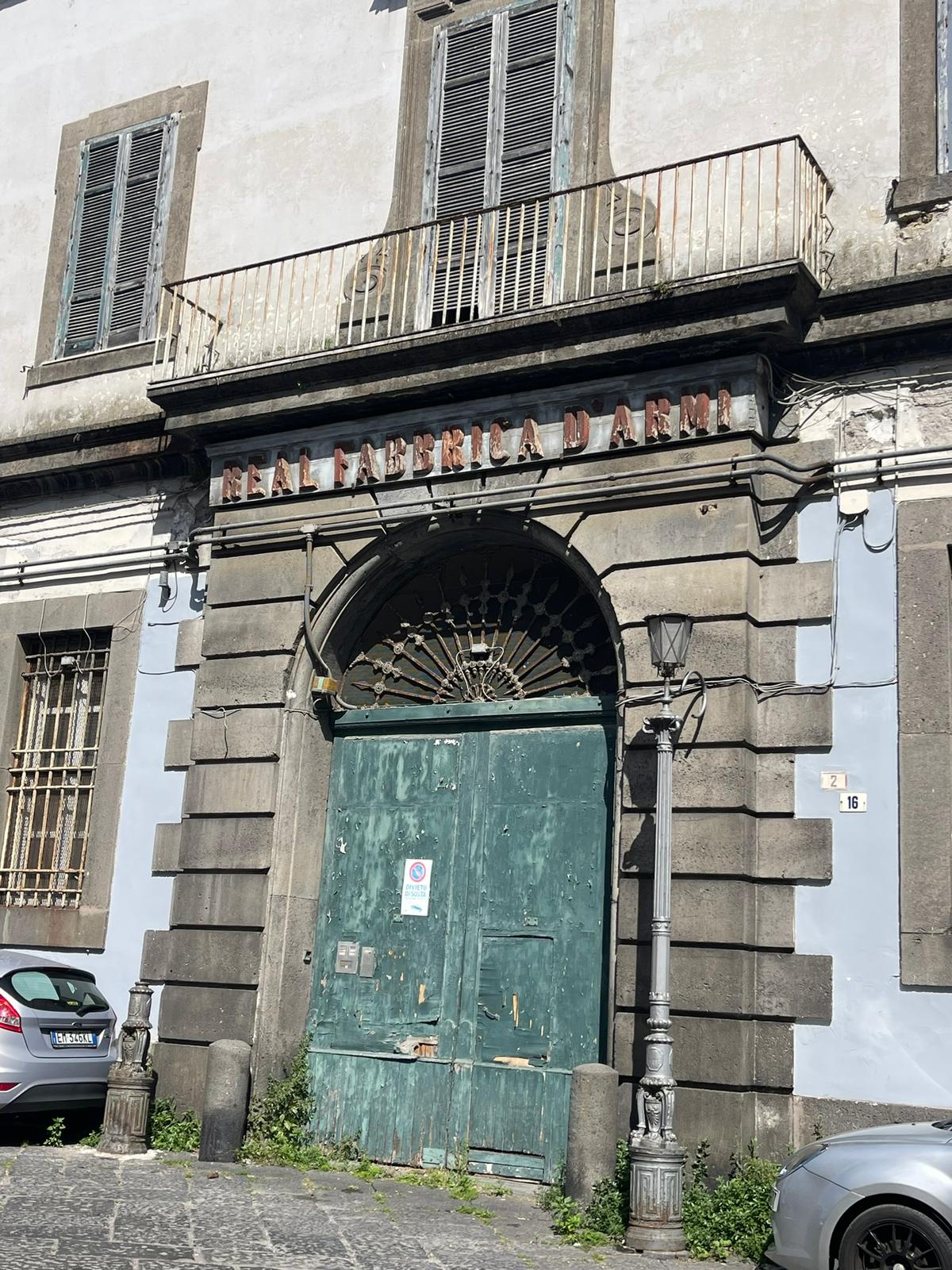
    The “Real fabbrica d’armi”.
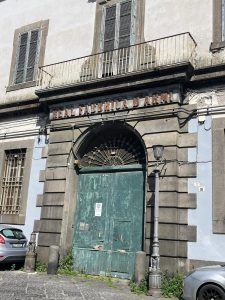
    The establishment of the REAL FABBRICA d’ARMI in Torre Annunziata was commissioned by Charles of Bourbon in 1757 after his coronation in Spain, and begun, in 1758, by the architect Sabatini, a student of Vanvitelli, to whom is attributed the design that was the basis of the construction of the first core of the factory and the classic style of

    the facade. This core is divided around two courtyards, the first of which is surrounded by two-storey buildings while the second by ground-floor buildings that made up the workshops and workplaces. To date, the ground floor of the factory has become a weapons museum while upstairs it is still inhabited by army officers. The construction was completed in 1760 by Ferdinando Fuga. The factory began business in 1761. The production of rifles definitively ceased in 1901. Today this wing, the oldest of the complex several times subjected to extensions, is decommissioned and to subtract it from the decay to which it is intended and favor its recovery, even functional, it needs adequate renovation and consolidation interventions.

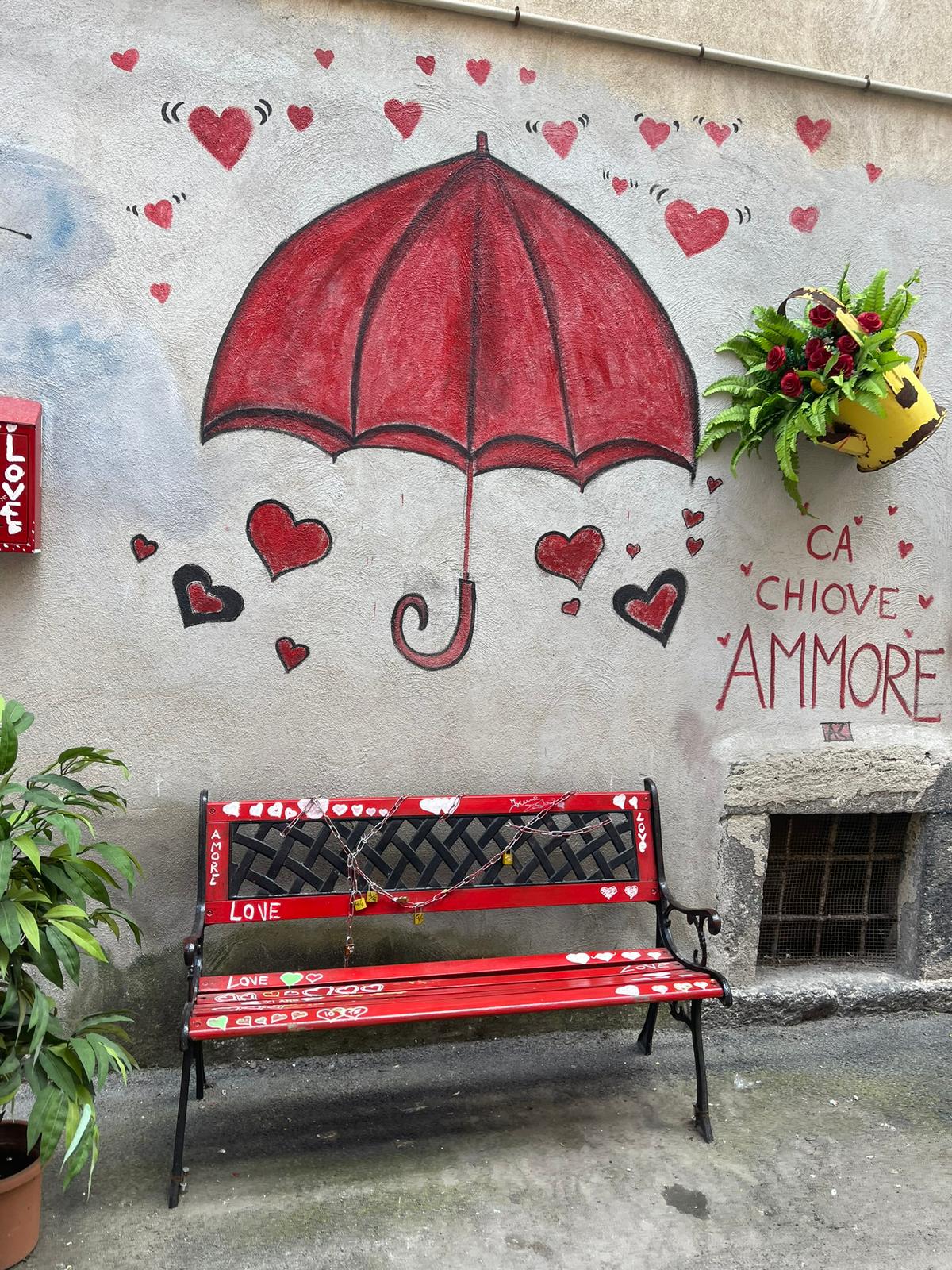
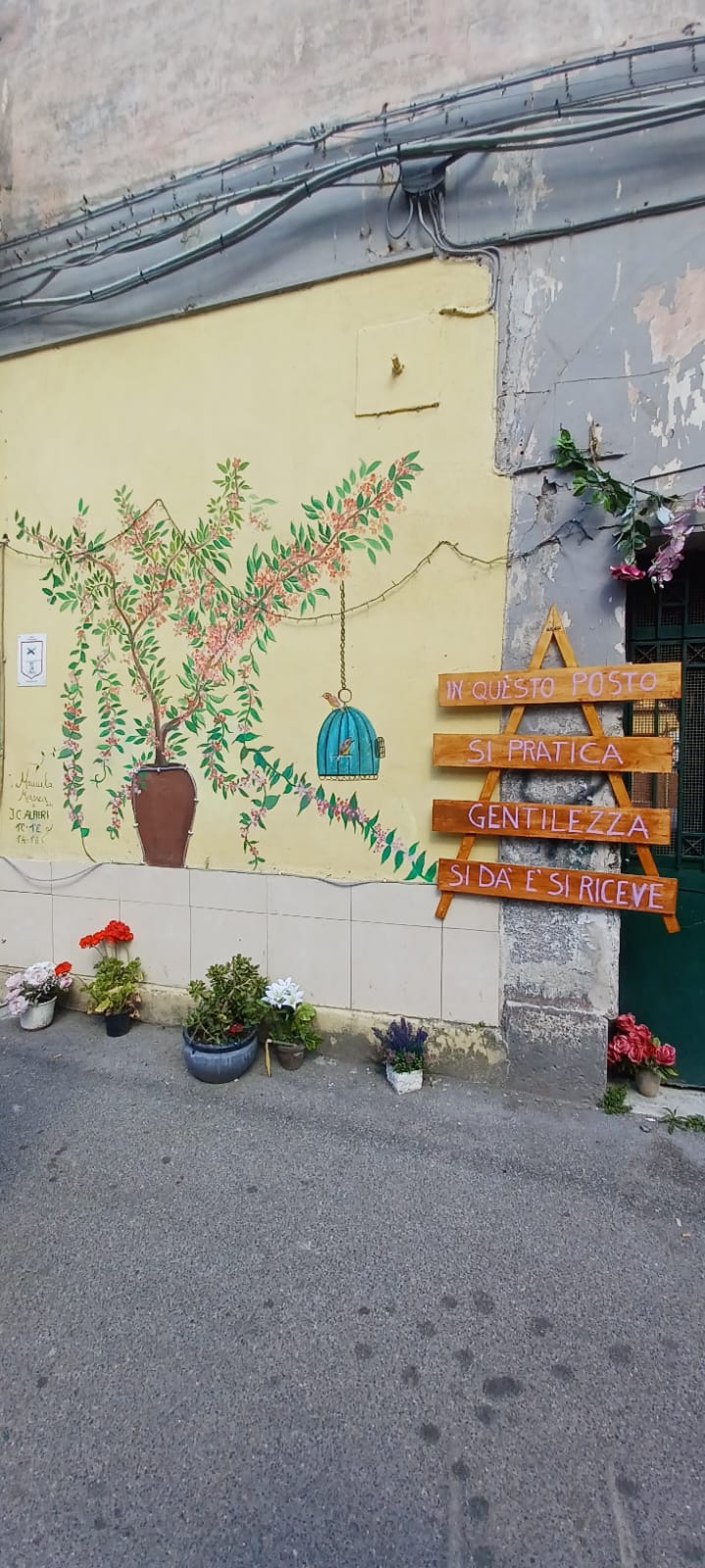
    Kindess murales.

    Reviving a run-down neighborhood is no small feat. It requires resources,
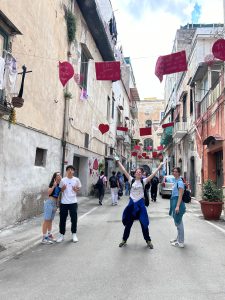
    passion, perseverance, commitment and determination, but above all the involvement of the inhabitants of the place, which must become  an active part of the process of change.

    Of course, no one has a magic wand. First of all that institutions invest resources to redevelop the neighbourhood (roads, lighting, public gardens, buildings crumbling, etc. ), but you can also start from the little things, from a project, from an idea.

    And this is the case of the Provolera district of Torre Annunziata.
    The ambassador of kindness, Anna Vitiello, who coordinates the implementation of the national project “Building Kindness”, in collaboration with the entrepreneur Rosaria Langella, with the Rotaract club and Project Crypt, is carrying out the initiative “Gentle Murals” to change the faces of the alleys of the neighborhood and cover them with color and beauty. This is thanks to the involvement of the inhabitants and numerous artists who are transforming a neighborhood, first often known for episodes of crime, in a place visited by schoolchildren in search of history and art.
    The Provolera district starts in front of the Real Fabbrica D’Armi , an industrial plant for the manufacture of weapons and artillery components dating back to the 18th century.
    The factory can be visited inside only prior request but also from outside observing the facade you can recognize the antiquity and the importance of the structure.
    But where
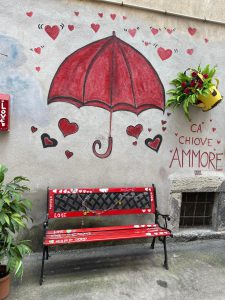
    does the name “Provolera come from?” From the dialectal version of the word “Powder Magazine”, because in that area, before the Real Fabbrica D’Armi, there was the Real Fabbrica di Polvere da Armi.
    The district Provolera today represents, therefore, the rebirth of an area considered degraded.
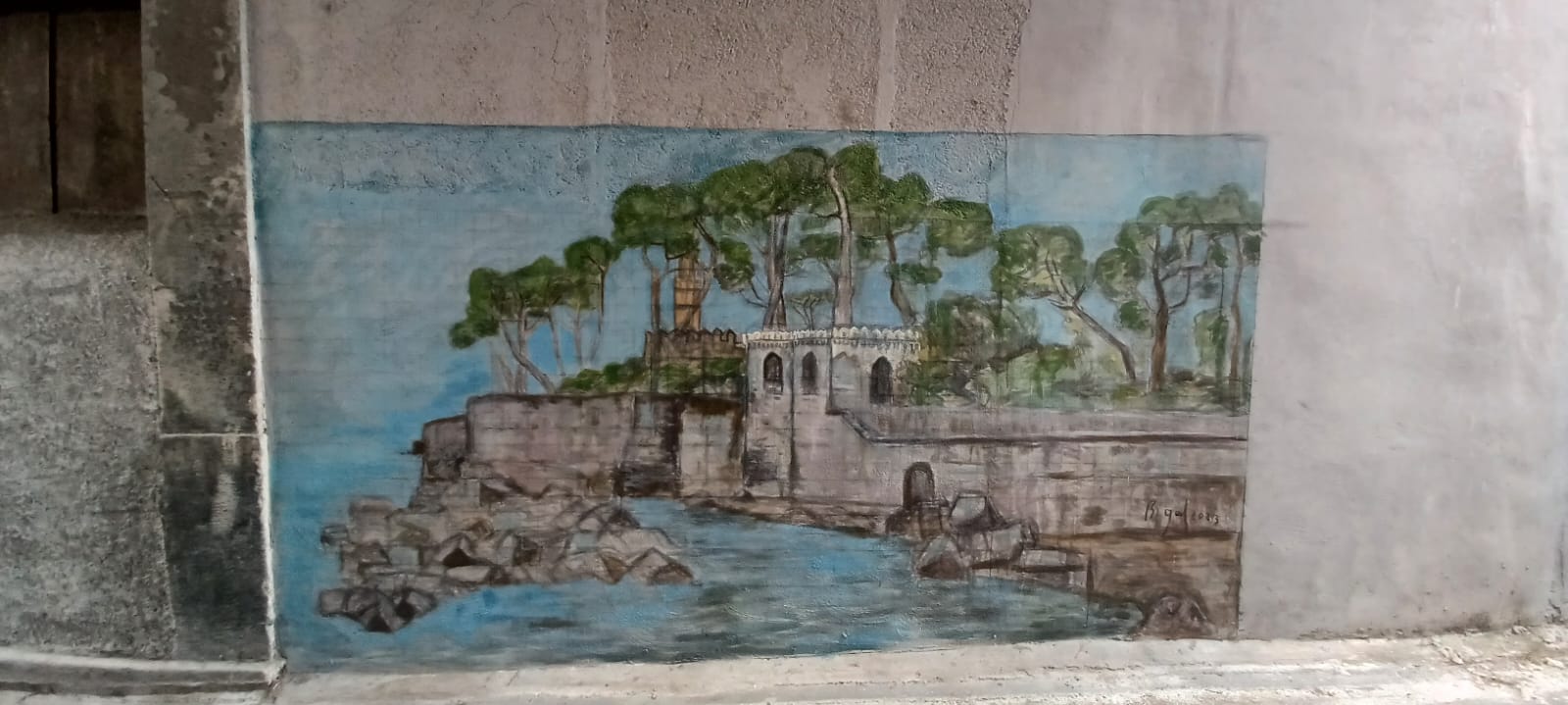
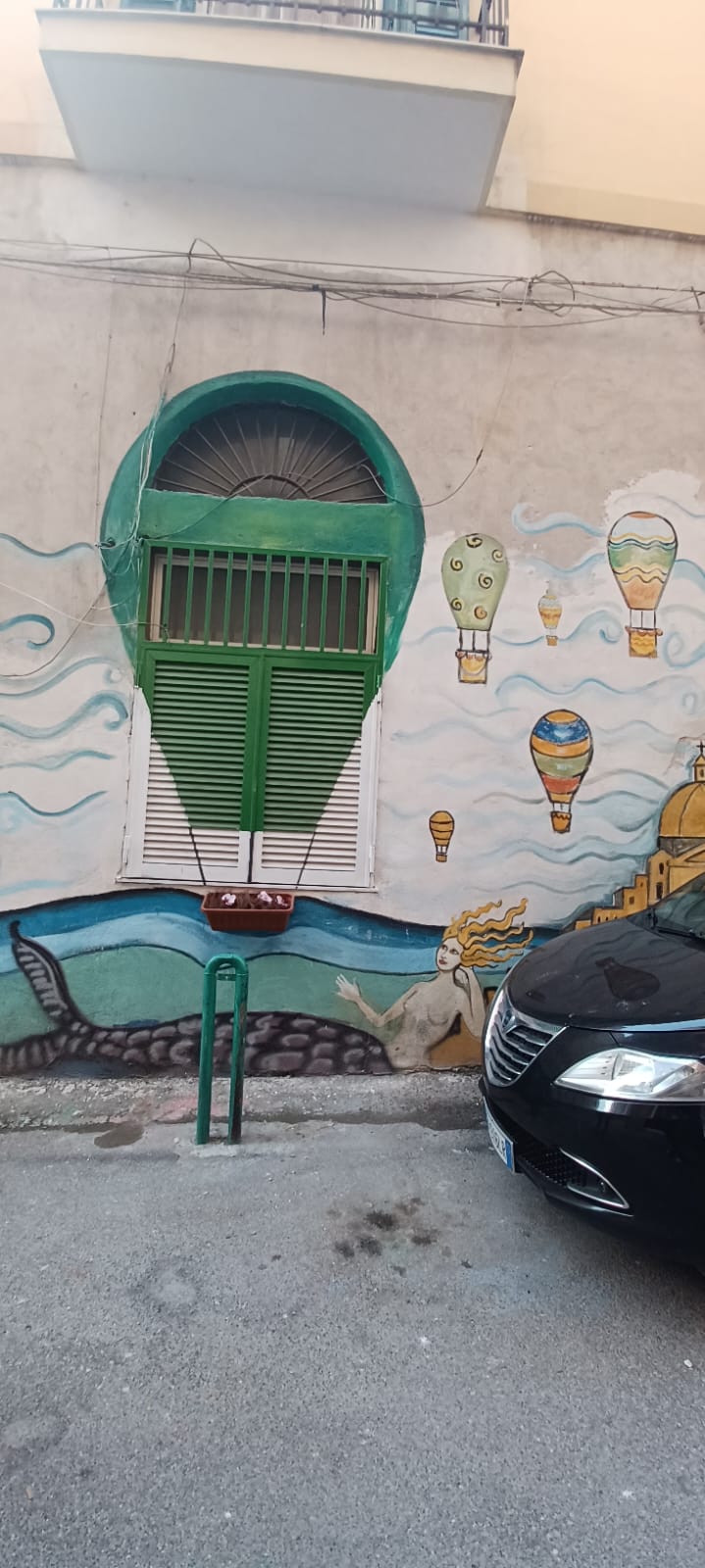
    Today, walking through the alleys of the neighborhood, through the murals we discover history, art, views of Torre Annunziata : the villa of Poppea, the rock of Rovigliano, Capo Oncino, the port dominated by the dome of the sanctuary ofthe Holy Spirit, but also the sea with its inhabitants, and abstract images that inspire joy and hope.


    THE “GRAND SQUARE” IN TORRE ANNUNZIATA

    Cesaro’s square.

    Piazza Cesaro is one of the largest  square in the province, as well as the beating heart of Torre Annunziata.

    The first name of the square was “Largo di casa Pisacane”; it subsequently took the name of Largo S. Teresa due to the presence of the church of the same name. In 1861, after the unification of Italy, it took the name of Piazza dei Comizi. On 12 September 1906 in the waters of Torre Annunziata, to help his son Manlio, the great Torrese mathematician Ernesto Cesaro, so, to honor his memory, the Municipality decided to dedicate the square to him.

    In the past there was a historic 15th century fountain, behind which there was a lava stone sound box. This square is a crossroads of daily life and is surrounded by historic buildings that tell the stories of the city’s past, including the Monumento ai Caduti which celebrates the courage and sacrifice of the soldiers who gave their lives to defend their country during the First World War. It was inaugurated in 1930 by Princess Mafalda of Savoy. The base is made of volcanic stone and is one meter and sixty centimeters high; on this stands a base of white stone from Trani, with two orders of steps located to the east and west of the monument. The central statue represents Victory, depicted by a marching woman holding the tricolor in her left hand and raising an oak branch in her right hand. On the sides there are two soldiers: one throwing the bomb, which represents the fallen young man from Torre Angelo Iovene; while the other represents Vincenzo Rocco, the Torrese hero awarded the gold medal.

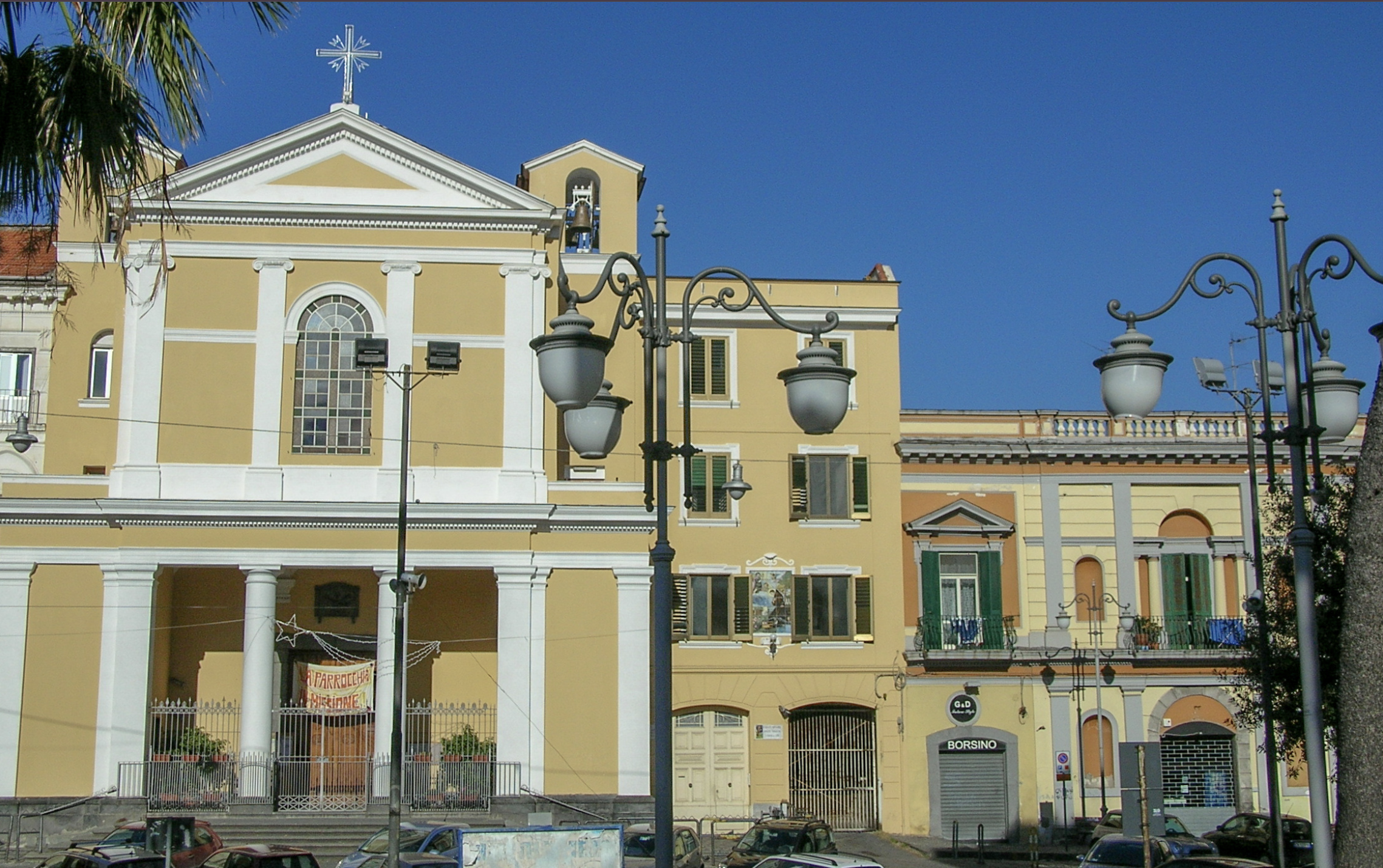
    The church of Saints Giuseppe and Teresa.
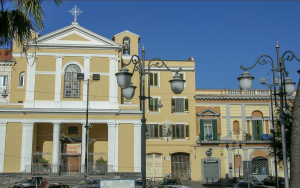
     

    The Church of Saints Giuseppe and Teresa is an architectural jewel which dates back to the 17th century and stands in the center of Piazza Cesaro with its imposing facade characterized by neoclassical elements. It was built in 1633 by the Piccolomini family of Aragon and then etrusted, together with the adjoining convent, to the Franciscan Fathers through the intervention of King Ferdinando II of Bourbon.

    Thanks to the design of the architect Carlo Sorgente, the exterior features an atrium with columns, elaborate frames and stone steps. Above the entrance door we find the ancient majolica depicting Pan Pasquale.

    In 1867 the convent was abolished and transformed into a Civil Hospital and in 1934 the current convent was built, erect in height rather than in width.

    On the walls there are fourteen smooth pillars of the Corinthian order with relative cornice.

    On the main altar, inside the church, there is a 17th century canvas by an unknown artist which depicts Saint Teresa of Avila getting the Madonna to put out the fire of Vesuvius in 1631.

    To the side of the altar there are paintings depicting Saint Francesco with his brothers, the Porziuncola, the Crucifix of San Damiano and a statue of Saint Pio.

    On the left and right there are two chapels about 4 meters wide between which there are two arches of about 2 meters and five rectangular columns.

    In the first chapel on the left there is a niche with the statue of San Francesco to the right of which is the Baptistery; while, in the second chapel there are three niches with the statues of Saint Giuseppe with Child, the Immaculate Conception and the Sacred Heart.

    In the first chapel on the right there are the statues of the Baby Jesus, of Saint Antonio with the Child and of Giovan Giuseppe of the Cross; while, in the second chapel there are the statues of Santa Rita, San Pasquale and of the Addolorata.


    GOLDEN MIRRORS AND BREATHTAKING VIEWS

    Criscuolo’s palace.

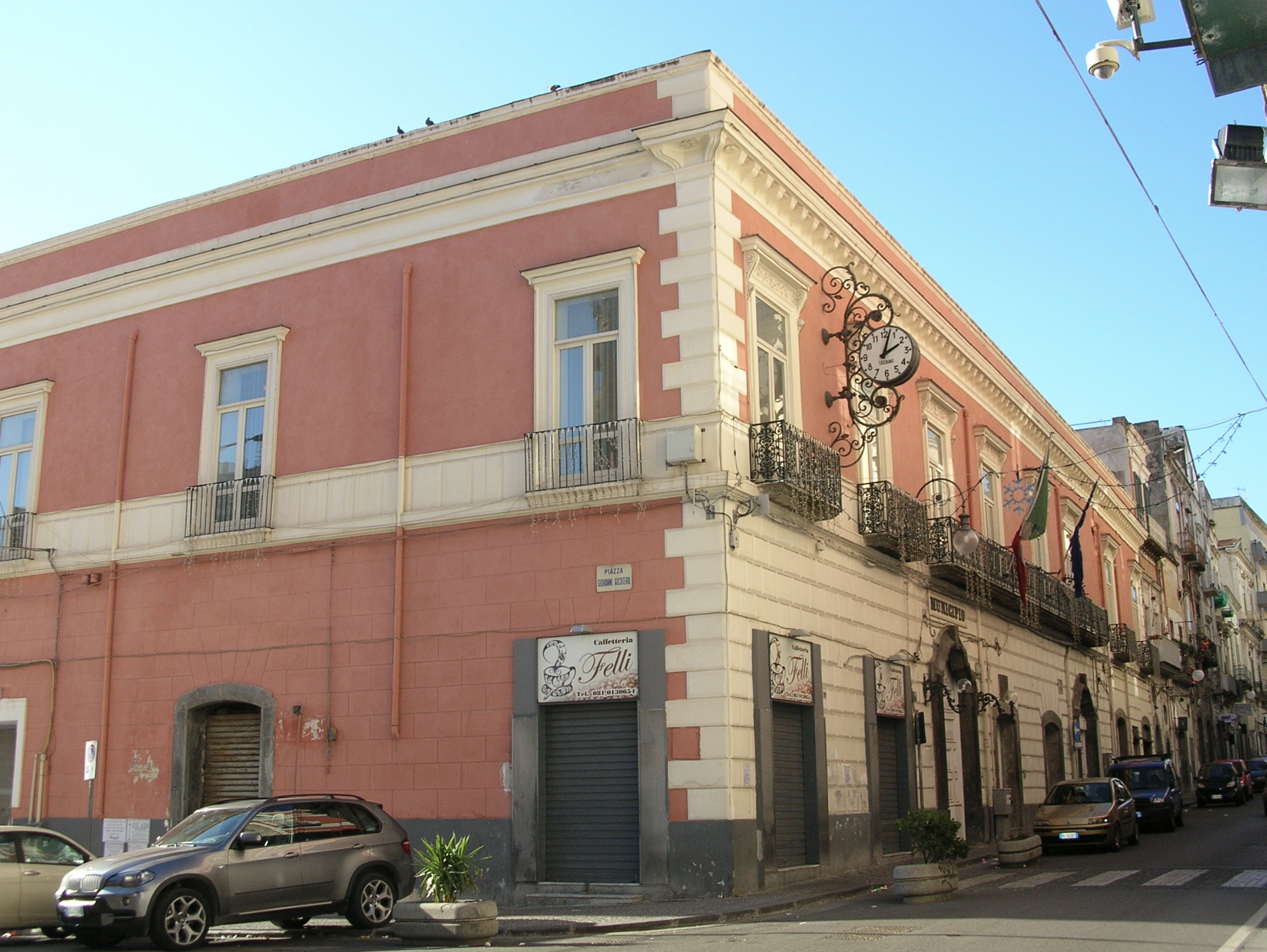
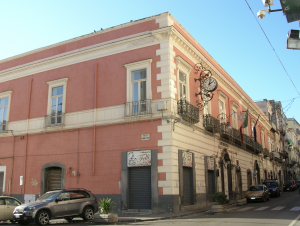
    The palace was erected by Nicola Gargano, an entrepreneur (wheat merchant), around 1860. It is currently the seat of the municipal administration. Noble palace , with two floors, is developed around a central courtyard, embellished on the ground floor by a small porch and upstairs by a balcony. Years ago, on the first floor, there was a private chapel, with the vault decorated with stucco still visible . The rooms overlooking Largo Porto were in ancient times used as a grain deposit, while today they have been redeveloped for use by municipal offices. In 1880 the palace became the property of Anassimene Criscuolo from whom in 1897 the Municipality of Torre Annunziata bought a part of it. It was further embellished with two cast iron lamps and a clock, still existing and functioning today. During the renovations, frescoes of historical interest came to light. Before being used as a town hall for many years it has hosted the identity museum where some of the historical artifacts found in the villas A and B of Oplonti were preserved and some weapons from the “Real Fabbrica D’armi” of Torre Annunziata.
    Villa of Parnaso
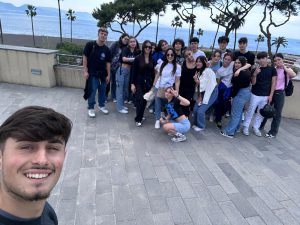
    Are you in Torre Annunziata? Among the stops on your itinerary, you cannot miss Villa del Parnaso, a place that encapsulates centuries of history and will enchant you with its fragrant gardens, the panoramic view of the gulf with Capri in front, and its timeless charm.

    Built in the 18th century in a location already chosen in the 17th century and even earlier by the ancient Romans for the construction of a seaside villa with terraced gardens sloping towards the sea, the villa was once immersed in the greenery of gardens and cultivated areas, adorned with pillars, aviaries, fountains, and an artificial grotto.

    Unfortunately, due to expropriations suffered in the 19th century for the construction of the Portici-Castellammare-Nocera railway line and the merchant port, today only the staircase remains of the villa, used to connect the main street of the city to the Marconi waterfront.

    Descending the ancient staircase, adorned with lava stone fountains attached to the walls, not only gives a sense of freshness but also makes us feel transported back in history, participants in a timeless beauty. In the basement, in front of the pool, surrounded in the past by statues and stone seats, a tunnel, now closed, allowed private access from the villa to the sea. Next to the staircase, a block of building that housed the kitchen and service rooms will be restored. And so, Villa del Parnaso will offer us an even more magical and complete experience!

  • The Lab-Grown Burger Revolution

    The Lab-Grown Burger Revolution

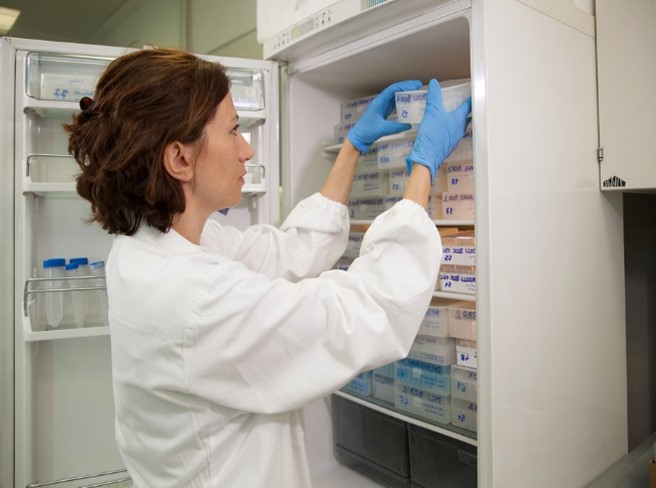
    In recent years, many chefs have started using science to create new and surprising recipes. Recently, a famous chef cooked a very special beef burger in London, which made headlines. However, this meal wasn’t for a restaurant or a cookbook, but to show a possible solution to a growing problem. In fact, the meat in that burger didn’t come from a cow, but from a science laboratory!
    The world population is growing rapidly and is expected to reach about 9.5 billion people by 2060. This raises many concerns about food. How are we going to provide enough food for everyone? Most people want to have meat in their diet, but if we continue to consume meat as we do now, this will become a big problem for the environment.
    Why? Firstly, maintaining the number of animals needed will greatly increase pollution. Animals, particularly cows, produce gases harmful to the atmosphere like methane and ammonia, which contribute to global warming and acid rain. Moreover, we will not have enough space or water for all these animals, and we certainly won’t be able to ensure them a good quality of life, which is important.
    The simplest solution might seem to eat less meat or stop eating it altogether. But this is unlikely to happen, given that most people still want meat in their diet. Experts explain that this desire for meat has deep roots in our evolution: the calories from cooked meat helped our brains develop. This means that the attraction to meat is still part of our nature. So, we need to find another solution to the problem. That’s why the burger created in London is so important. Scientists are trying to grow artificial meat in laboratories, with the aim of producing food that tastes exactly like beef, lamb, or chicken. However, there is still a lot of work to do. The person who tasted the burger said it was quite dry and not very tasty. Also, the High price will come down a lot before they go on sale at the supermarket.
    What do you think about this innovation? Would you be willing to try a lab-grown burger? Do you think this could be a valid solution for the food problems of the future? I want to express my own opinion about this issue. Cultiveted meat can transform our global food system.It is not as sustainable as we believe .The bioreactors in which it is produced require a quantity of energy far more significant than that necessary for conventional meat, emitting even more greenhouse gases than livestock. I can’t imagine a world without farms. It would be a real environmental tragedy.

  • Echoes of Orwell’s ‘1984’ in Today’s society?

    Echoes of Orwell’s ‘1984’ in Today’s society?

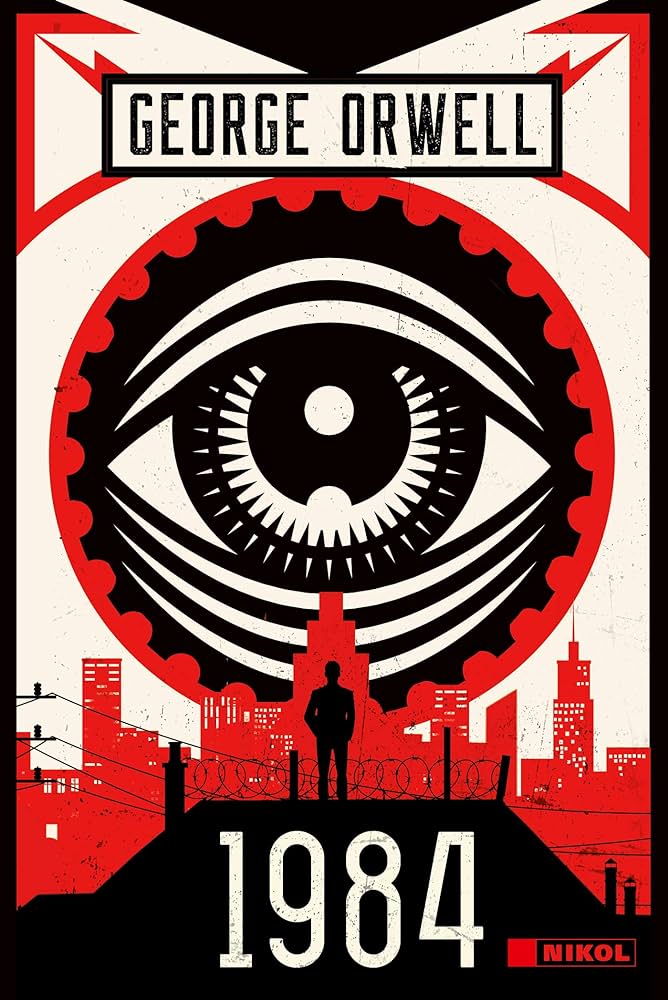
    George Orwell’s “1984” is a profound exploration of the soul and the mind of human beings, subjected to the pressures of a despotic regime. This novel is a timeless classic that delves into the dangers of totalitarianism and the manipulation of history and reality.
    Eric Arthur Blair, known by his pen name George Orwell, was an English novelist and critic, born in 1903, in India, and passed away in 1950, in London. His works are marked by biting social criticism, opposition to totalitarianism and outspoken support of democratic socialism. “1984” offers a stark vision of a dystopian future where critical thought is suppressed under an oppressive government which promotes lack of knowledge.
    The novel is set in Airstrip One, a province of the superstate called Oceania in a world of perpetual war. Winston Smith, a diligent worker of the Ministry of Truth, the main character of the novel, works in order to rewrite historical events so they align with the Party’s current version of History. He becomes disillusioned under the watchful eye of Big Brother and begins a quest for truth and freedom, which ultimately leads to his tragic downfall.
    Orwell’s “1984” reflects the anxieties of the Cold War era and the fear of a totalitarian state. This perspective not only reflects its time but also transcends it, rendering the struggle against totalitarianism relatable to every human being. So, Orwell shows us how a totalitarian government can suffocate humanity and erase society in favour of the State.
    Furthermore, “1984” it’s a passionate call to all of us through which Orwell serves as a warning against abuses of power and the suppression of individual rights. The author invites us to be vigilant and not to passively accept the “truths” that are fed to us and to defend the value of our individuality and authenticity against standardisation.
    In conclusion, its message is as relevant today as it was at the time of its publication, reminding us of the need to keep our humanity by standing for our own rights and questioning every piece of information we receive, especially in an era characterised by a vast amount of information and potential manipulations.

  • King Charles III: A Revolutionary Portrait

    King Charles III: A Revolutionary Portrait


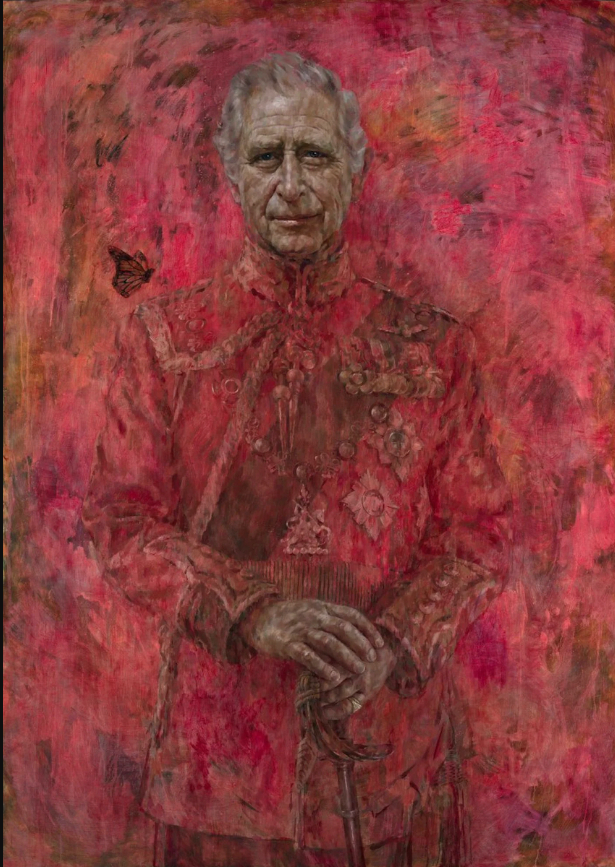
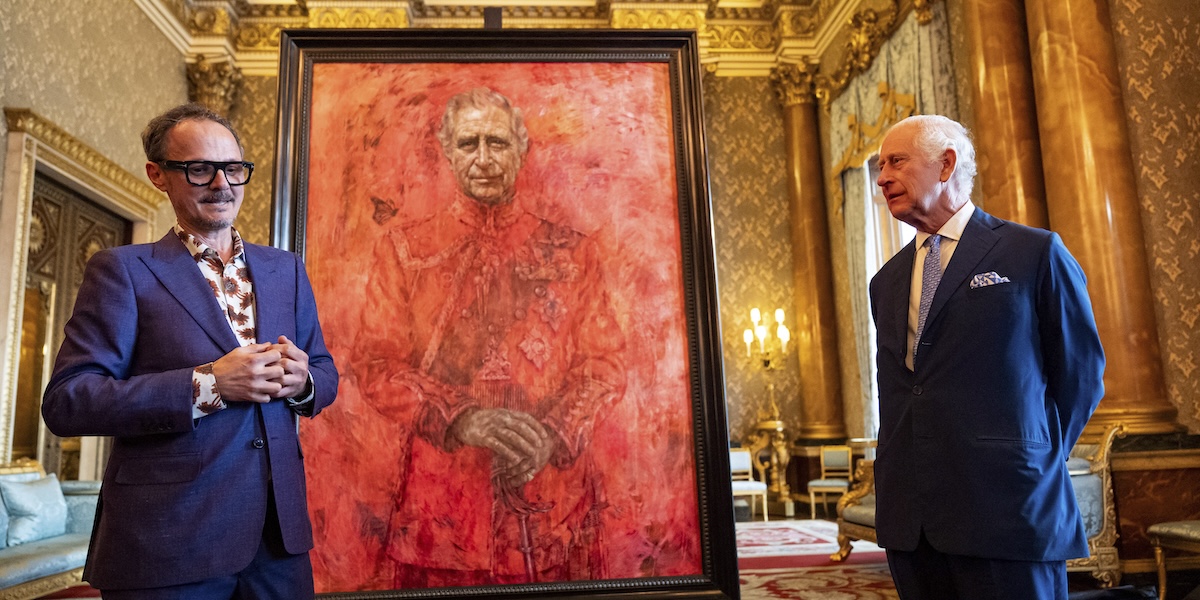
    The official portrait of King Charles III, created by renowned British artist Jonathan Yeo, was recently unveiled. This painting represents an innovative tribute to the sovereign, clearly departing from tradition.

    Presented at Buckingham Palace, the portrait of King Charles III is the first since his coronation. The work, which began in 2020 when Charles was still the Prince of Wales, took years to complete. Yeo revealed that during the painting sessions, the future king remained motionless for about an hour. The artist emphasized how the portrait evolved along with the change in Charles’s role, symbolically represented by a butterfly painted on his shoulder.

    The work, temporarily exhibited at Buckingham Palace, will soon be transferred to Draper’s Hall, a London philanthropic institution of which King Charles has been a member for over 50 years. Queen Consort Camilla expressed appreciation, stating that the portrait captures the true essence of the sovereign. King Charles also showed a smile of satisfaction during the unveiling ceremony.

    The portrait is rich in symbols, such as the monarch butterfly, an endangered species, suggested by King Charles himself. This detail, reflecting the king’s passion for nature, also symbolizes the sovereign’s transformation over the years and suggests a reflection on the monarchy’s vulnerability.

    The predominant use of red, a color traditionally associated with rulers, reinforces the idea of continuity and strength.

    Yeo’s portrait is undoubtedly revolutionary and endowed with a strong communicative power. Like any work that challenges tradition, it has aroused conflicting opinions between conservatives and innovators. However, it remains a tribute worthy of King Charles, capable of telling his story through symbolism and innovation.

  • Torre Annunziata: Murals That Make Our Neighborhoods Beautiful

    Torre Annunziata: Murals That Make Our Neighborhoods Beautiful

    In recent years, a new form of art has begun to redefine the urban landscape in Torre Annunziata: murals. These masterpieces of urban art not only decorate the streets but also tell stories, express identities, and bring a message of hope and rebirth for the entire community.

    Origins and Evolution

    The phenomenon of murals in Torre Annunziata is relatively recent, but it has quickly gained popularity. Initially, it was about isolated initiatives, often promoted by local artists who wanted to beautify their city and create spaces for reflection and dialogue. Over time, the movement caught the attention of local authorities and cultural organizations, leading to a real boom in artistic projects.

    Themes and Styles

    The murals of Torre Annunziata cover a wide range of themes and styles. Many of them are inspired by local history and culture, depicting scenes of daily life, historical figures, and symbols of the Vesuvian tradition. Others address contemporary social issues, such as inclusion, the fight against crime, and environmental protection.
    In Torre Annunziata, there are some areas where there are lots of murals. For example, the Fishermen’s Suburb, situated in the southern part of the city. This area is not well-regarded by the rest of the city, so murals were created to redevelop it. Some examples include the Madonna of the Snow, who is a religious symbol for our city, and the siren that represents Parthenope (a Neapolitan legend).

    Artists and Collaborations

    The artists involved in creating the murals are both local and international. This mix of talents has led to a diversity of styles and techniques that further enrich the urban landscape. Collaborations between schools, cultural associations, and artists have integrated the murals into educational programs, raising awareness among young people about the importance of art and culture.
    One of the most well-known artists in the scene is Jorit, famous for his hyper-realistic portraits and social commitment. His works in Torre Annunziata have become symbols of resistance and hope, conveying powerful messages through the use of color and detail.

    Impact on the Community

    The murals have had a significant impact on the community of Torre Annunziata. Besides improving the aesthetics of the city, they have helped create a sense of belonging and pride among residents. The murals have become meeting points and places for reflection, where people can gather and engage in discussions.
    Moreover, urban art has attracted an increasing number of tourists, curious to discover this unexpected side of the city. This has brought economic benefits and encouraged further investments in cultural and artistic projects.
    The murals of Torre Annunziata represent a shining example of how art can transform a community. Through colors, shapes, and messages, these urban masterpieces have revived forgotten spaces and strengthened the social fabric of the city. Torre Annunziata, with its murals, is not just a place to pass through, but a destination where history, culture, and art meet, creating a mosaic of beauty and meaning.

  • Alan Mathison Turing: An Early Pioneer of Modern Computing

    Alan Mathison Turing: An Early Pioneer of Modern Computing

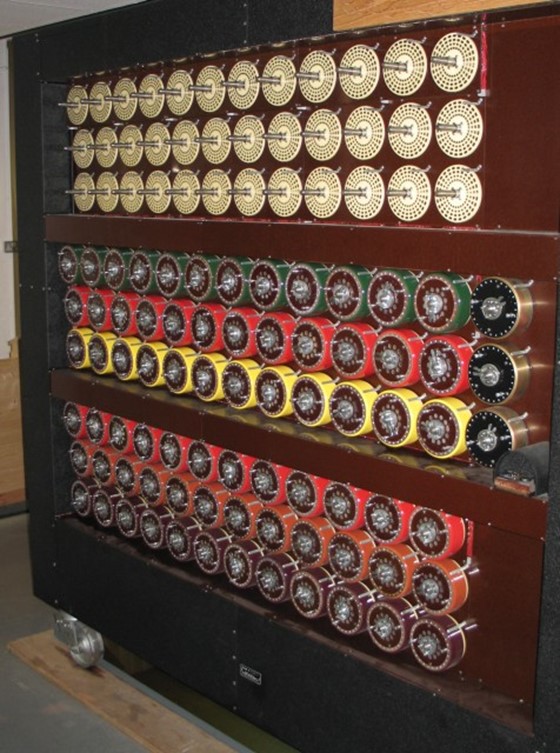
    A figure in the world of mathematics and computer science that fascinates me a lot is Alan Turing. I studied his life and works for ICT, and our teacher explained to us how he foresaw that automation, ‘computing machinery and intelligence’ would have a huge impact on the world and the way we live in it. Making the world a better place has always driven mathematical and scientific discovery, and Turing was a great proponent of applying math and statistics to solve real-world problems. He was one of the brilliant minds of the 20th century, and when he worked for the British government during World War II, he succeeded in breaking the secret code (Enigma code) Germany used to communicate. Since then, he contributed to the field of cryptography and laid the foundations for major advances in computing. At the end of the war, Turing was made an Officer of the Most Excellent Order of the British Empire (OBE) by King George VI.
    He also experimented with a universal computing machine (later called a Turing machine) that would be able to decode and perform any set of instructions. The Turing machine became the basis for all digital computers. He spent a lot of his time theorizing about the concept of intelligence and how it applied to both humans and machines, but even he knew his own intellectual limitations in developing computer algorithms and the limits of what computers can do.
    Turing also became famous for his major contributions to the field of artificial intelligence. The Turing Test, for example, was a method of inquiry that measured a machine’s ability to exhibit intelligent behavior indistinguishable from a human’s. In this way, he explored the mathematical possibility of artificial intelligence. According to him, humans used available information as well as reason in order to solve problems and make decisions; why couldn’t machines do the same thing? This was the logical framework of his 1950 paper, “Computing Machinery and Intelligence,” in which he discussed how to build intelligent machines and how to test their intelligence. Turing not only described the use of Computational Logic but also the necessity for the development of Machine Learning in order to achieve human-level AI within a 50-year time frame. He also wrote a paper called “The Imitation Game,” which coined the idea of AI (I suggest seeing the film inspired by this paper). That’s why he is also called the Father of AI. With the recent rise of generative AI, which produces text, images, and video on command, and if we only think of programs like ChatGPT, Bard, Claude AI, etc. that can convincingly come off as humans in a dialogue, I think Alan Turing must be mentioned.

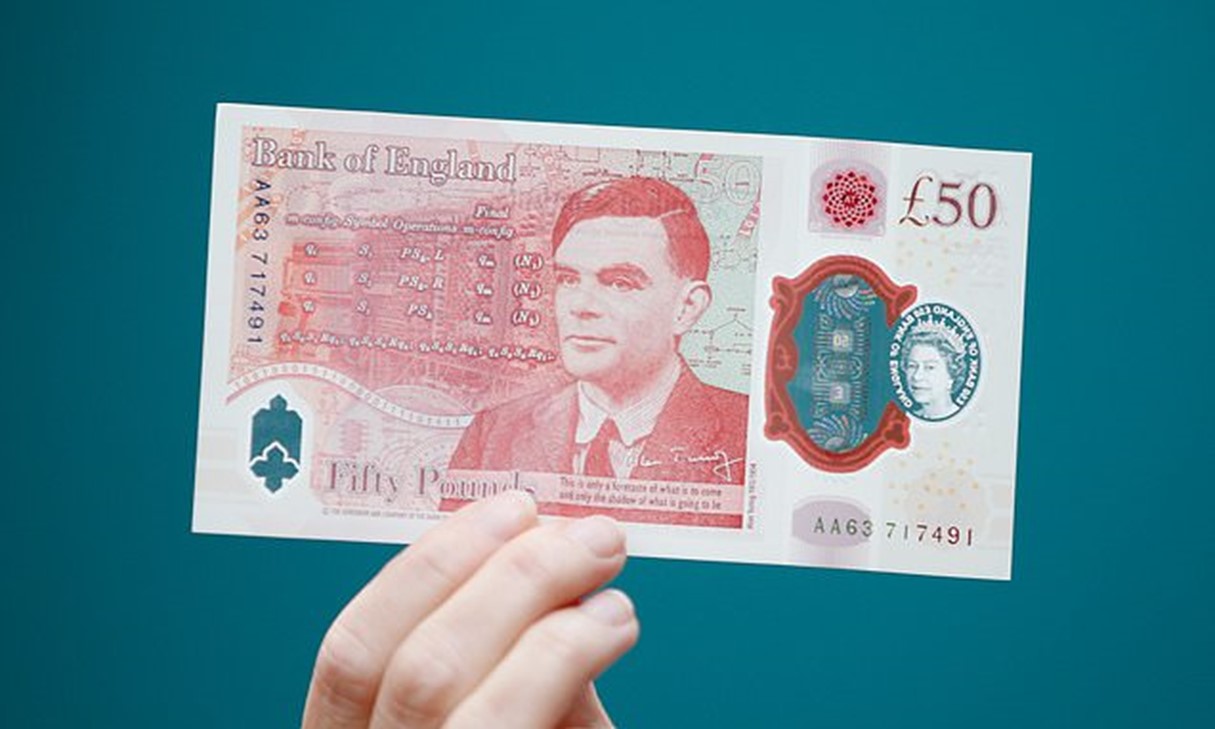
    Thanks to Turing’s contributions, the landscape of computer science was shaped. Alan Turing’s legacy remains a testament to the limitless potential of human intellect, inspiring generations to come. Unfortunately, tragic moments never fail. In 1952, he was arrested and charged with “indecency” after a brief relationship with another man. The punishment for homosexuality was chemical castration, a series of hormone injections that left Turing impotent. It also caused gynecomastia, giving him breasts. But Turing refused to let the treatment take him away from his work, keeping up his lively spirit. On 7 June 1954, aged 41, he committed suicide by cyanide poisoning. A curiosity about Alan: His face is shown on the new £50 note.

  • My experience in Japan: far more than a youth exchange!

    My experience in Japan: far more than a youth exchange!

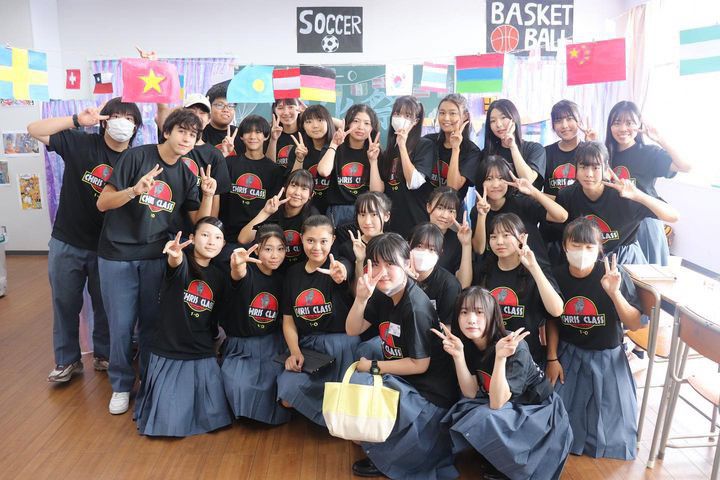
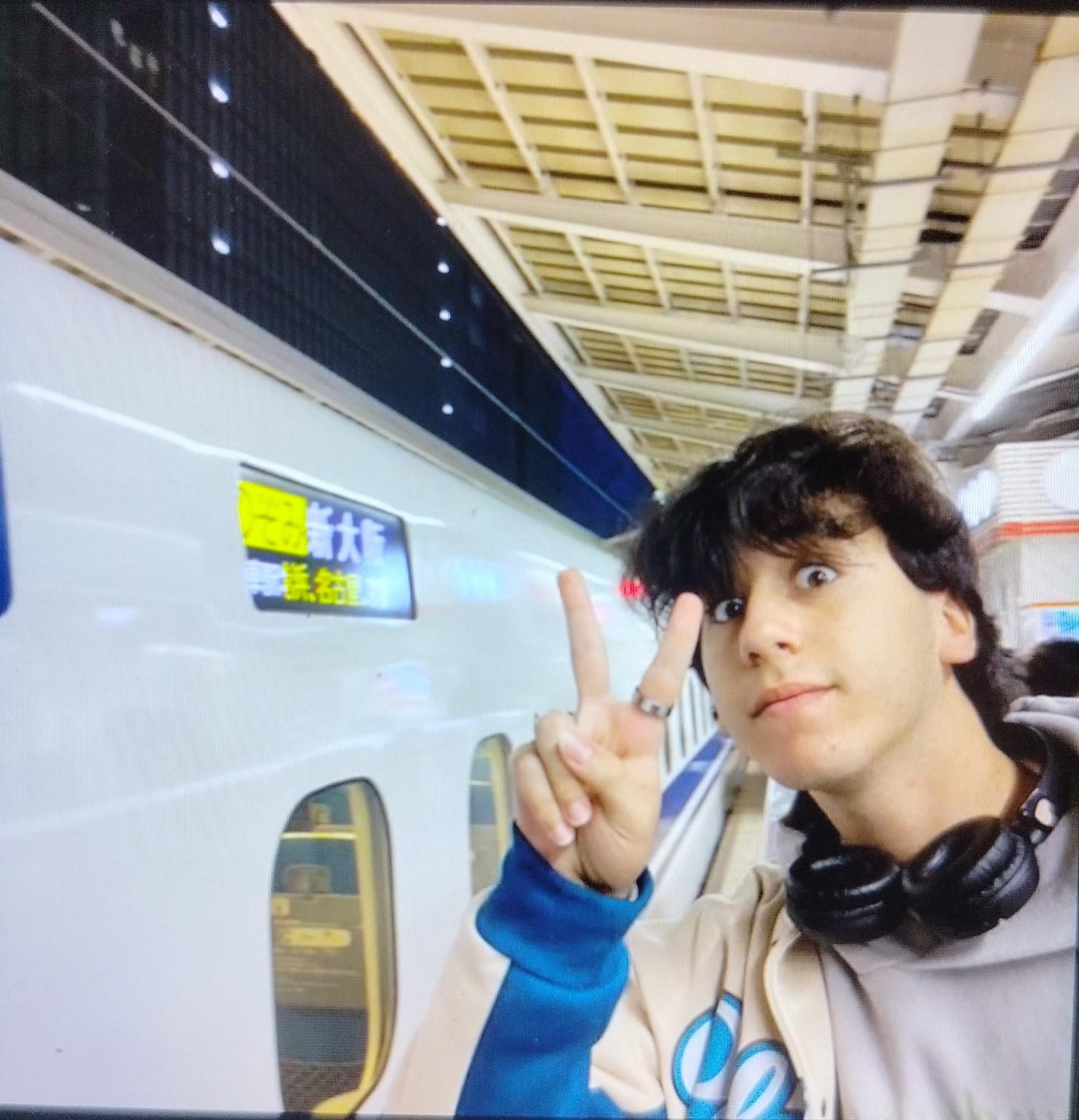
    I’m writing this article while I’m still in Japan for a long year youth exchange. A long-term exchange last a full school year and students live with a family in the host country and attend school there. I have been living in Japan, believe it or not, for about 9 months. I still remember that feeling at four in the morning when my family woke me up to wish me a happy birthday and to drive me to the airport. There were so many emotions in me, both positive and negative. At first I felt excited and I was extremely happy to board the various planes that would bring me to one of my dream destinations, but, at the same time I also felt sad to say goodbye to my family and friends, even if it was just for a year. Nonetheless, after a couple of hugs and a good crying session, I started heading towards the security checks with tears in my eyes and a shaky hands that were waving goodbye. When I first arrived at the Chubu airport in central Nagoya my host family welcomed me with open arms and a wide smile. Since the flight was extremely long I was very tired, so immediately after coming home I fell asleep, but, that’s where I found a problem that I have never faced in my many years of travelling: the time zone was very different, so for the first few weeks I would wake up at 3 AM without being able to fall asleep again, so I would calmly wait until 8 AM when my host grandmother would wake up and start preparing breakfast for my host mother, my host brother and me. Another difference I found is that Italian breakfasts and Japanese breakfasts are very different. A Japanese breakfast is typically very big, consisting of a salad, usually a slice of bread with cheese, natto (fermented soy beans), eggs, miso soup and rice. It is very different from the one I usually have in Italy, which consists basically of milk and cookies. On the 1st September, after a couple of days of settling in, I started my first day of school in Japan; if I said that I wasn’t scared I would be lying, but if I said that I wasn’t excited, I would be lying too. I woke up at 5AM that day and while I was picking which clothes to wear for my first day, my host grandmother was preparing my lunchbox, which was usually made up of rice, some kind of meat, a salad and a tangerine. After getting my lunchbox, getting dressed, and saying goodbye to my host family, I closed the door behind my back and I left for school. At every step that I took I could feel the excitement and fear slightly increase in my body, but, after arriving in front of my school, the excitement overshadowed that fear and I went to the teachers’lounge where my teachers and some other exchange students were introducing themselves. One of those exchange students turned out to be one of the most important friendships in my exchange year, her name’s Aisha and she helped me during the first few months whenever I missed my family or I needed someone to talk, she also introduced me to her friends which are now some of my dearest friends, and for that I can’t thank her enough I received a real warm welcome and I started to introduce myself even though my Japanese vocabulary was very limited. Initially I didn’t understand so much, but my classmates did their best to speak English with me while also teaching me some Japanese, so that I would still be able to understand everything they were saying. During the last few months my vocabulary, as well as my relationship with friends, have been growing more and more, in fact I’ve made friends from my Japanese school with who I very frequently hang out and enjoy hanging out with. We met during our school festival in September and since then we watched movies together, we had Christmas parties and we’ve been inseparable. I also have visited a lot of places during these months, such as Tokyo, Hiroshima, Osaka, and Himeji, and I’m planning to visit many other places and attractions in Japan. I’m very grateful for everything that I’ve learnt during this experience, and for everything that I’ll keep on learning during the following months. I highly suggest doing an exchange year, because it will help you to be more mature and will open your mind to new cultures and costumes. There are many ups and downs and sometimes you may miss your family, but the result is absolutely worth it, because I’m sure, you’ll come back home and you’ll feel differently, more grown up and a more responsible person.

  • “What was I made for?”: the song that won the Oscar

    “What was I made for?”: the song that won the Oscar

    On May 11th the Billie Eilish’s song (what was I made for) won the Oscar as “Best Original Song”, this is the second Oscar that Billie  has won (she also won an Oscar in 2022 as best original song with “No Time To Die” from the homonym film of James Bond).

    The meaning of What was I made for? is enclosed in the title. It can represent Barbie’s spiritual journey to discover herself in the real world while she is living it herself, or it can be a hymn to Billie’s personal struggles to clarify what her purpose in life is, linked to his passion for writing and music creation. She initially stated that she had not thought about herself during the song-writing process, but later came to the realization that she had unknowingly included her story.

    To Allure Billie explains:

    It was as if this song was a tiny creature inside of me for years, scratching the inside of me. As soon as we got that prompt, the creature was like, ‘Okay, I’m out’. We wrote it in a period of time where we couldn’t have been less inspired and less creative. That day we were making stuff, and were like, ‘We’ve lost it. Why are we even doing this?’ And then those first chords happened and I used to float, now I just fall down came out and the song wrote itself.

    The “floating” lyric is referred to the film Barbie, where Barbie can’t float anymore so she “fall down”, it also holds a deep meaning for Billie, because it reflecting how she feels about navigating fame from a young age.

    While on one level, this lyric could refer to Ken’s inability to understand Barbie in the movie, it’s also about the sadness and loneliness that can arise when people, even loved ones, don’t truly see you and understand your feelings.

    “I … remember being like, ‘How is anyone going to know what this means? It doesn’t explain itself. No one’s going to understand it,’ Billie said. “And that was the first lyric that people understood. And I felt so heard, and related to.”

    According to some of the comments on the official music video on YouTube, “What Was I Made For?” had a profound impact on fans of all ages and walks of life:

    This song asks the question that I have (struggled) with for all of my 68 years,” another person commented. “I thought I had the answer several times, only to realize that it slipped through my fingers yet again. Ms. Eilish, your vocals here are a perfect fit for the emotion of the words and music you’ve written.

    In the music video Billie is taking from a dark box some clothes (we can say that they are her old clothes that she has worn in the past), then all is interrupted by the rain, the meaning is: “The world is falling apart while I try to keep all the old versions of myself safe”.

    Antonio Cinquegrana

    II A Linguistico